 EN
EN


The Shortcomings of Legacy Voice Interaction Systems in Public Spaces
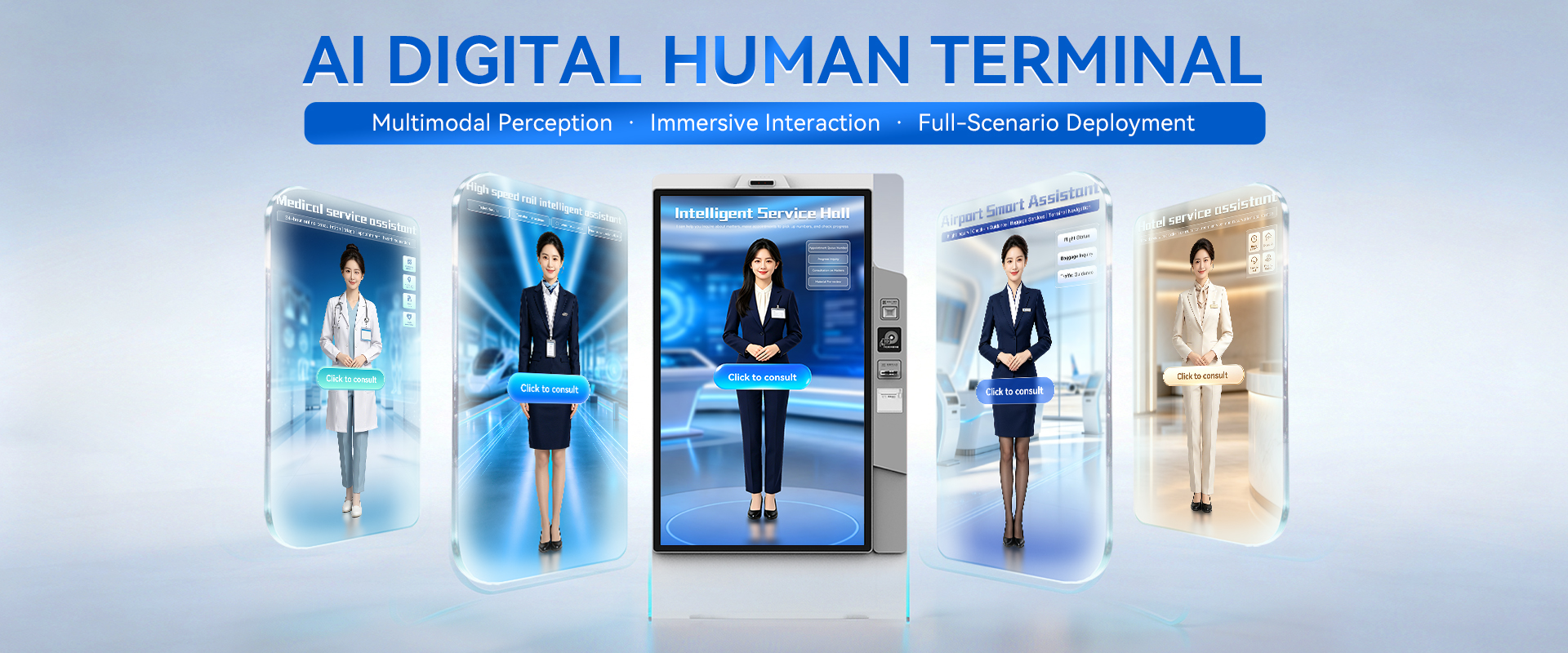
Public service halls, municipal government centers, and civic reception desks represent demanding operational environments where citizens routinely seek immediate, accurate guidance. Traditional voice interaction devices installed in these locations—such as basic automated intercoms and legacy speech-activated kiosks—frequently fail to meet modern public expectations. Field observations across busy administrative offices consistently reveal that these older systems struggle with basic speech recognition when multiple visitors speak simultaneously or room reverberations distort audio inputs. Because legacy hardware relies on rigid command structures, any slight deviation in phrasing results in system errors, forcing frustrated users to abandon the technology entirely. Overcoming these chronic performance bottlenecks requires a fundamental architectural upgrade from simple voice triggers to comprehensive conversational solutions designed specifically for complex public spaces.
Overcoming Acoustic Chaos and Ambient Noise Interference
Public service environments are rarely quiet; they are filled with overlapping conversations, ringing telephones, shuffling footsteps, and public address chimes. Conventional voice devices lack the sophisticated audio filtration needed to isolate user speech from this dense background commotion. The AI Digital Human Series addresses this flaw by integrating multi-microphone beamforming and acoustic echo cancellation technology — a core upgrade from legacy omnidirectional microphones. Unlike conventional devices that capture all ambient sound indiscriminately, these systems locate the user’s voice in real time and actively filter out background noise, ensuring stable recognition even in crowded service halls. Consequently, citizens standing in front of the terminal can speak naturally without shouting or repeating commands, ensuring a smooth and uninterrupted interaction even during peak operating hours when service halls reach maximum capacity.
Contextual Comprehension and Conversational Flexibility
Beyond raw acoustic filtration, legacy voice systems suffer from a severe lack of contextual intelligence, forcing users to memorize exact keyword commands rather than speaking naturally. The AI Digital Human Series incorporates deep learning-based natural language processing models trained to parse complex, conversational human phrasing. When a citizen asks a convoluted question about administrative procedures or regulatory paperwork, the underlying conversational engine interprets semantic intent rather than literal syntax. Drawing from advanced conversational AI deployment data, this flexibility allows the digital assistant to ask clarifying questions, handle interruptions gracefully, and provide comprehensive answers. By shifting from rigid robotic prompts to fluid, multi-turn dialogues, these advanced avatars deliver an interaction model that genuinely feels like speaking to a knowledgeable human service representative.
Multi-Modal Redundancy for Universal Public Accessibility
Relying exclusively on voice interaction in diverse public spaces creates unintended accessibility barriers for individuals with speech impediments, hearing difficulties, or those navigating exceptionally loud halls. The AI Digital Human Series addresses this challenge through a seamless multi-modal interaction framework that blends advanced speech recognition with high-definition touch-screen navigation and synchronized visual subtitles. Practical deployment insights show that combining audio output with dynamic visual text ensures complete public inclusivity. If background noise temporarily spikes or a user prefers visual confirmation, the digital avatar instantly adapts by displaying clear written instructions alongside spoken guidance. This dual-channel approach guarantees that every visitor, regardless of physical or environmental constraints, can successfully access essential public services.
Optimizing Civic Administration Workflows and Service Delivery
Integrating intelligent digital agents into busy civic reception areas creates profound structural advantages for government administrative operations. Unlike legacy voice devices that force staff to compensate for system errors, AI digital human agents take over routine guidance, document inquiries and preliminary service checks independently. This reduces repetitive clerical work for municipal staff significantly, allowing civil servants to redirect their professional capabilities to complex, high-priority cases that require human judgment, empathetic communication and specialized administrative support. By balancing front-office automation with focused human intervention, public institutions can optimize daily workflows, reduce administrative overhead, and ensure that institutional resources are utilized with maximum organizational effectiveness across every department.
Industrial Durability and Hardware Reliability Through YUHAO WANTONG
Deploying sophisticated conversational software into high-traffic public venues demands exceptionally rugged physical hardware capable of withstanding round-the-clock operation and heavy daily wear. The AI Digital Human Series is housed within heavy-duty kiosk architecture engineered to resist impact, surface scratches, and stringent civic sanitization protocols. YUHAO WANTONG provides the critical manufacturing excellence and supply chain reliability necessary to deliver these mission-critical public terminals. Through meticulous structural engineering and premium enclosure materials, YUHAO WANTONG ensures that every unit maintains pristine audio-visual performance over years of intensive public usage. This powerful synergy of intelligent software and durable YUHAO WANTONG hardware establishes a dependable, long-lasting foundation for modern public administration.
Redefining Public Service Standards Through Intelligent Agents
The ongoing modernization of civic infrastructure requires innovative tools that elevate citizen satisfaction while easing the workload of administrative personnel. By combining advanced noise suppression, deep contextual intelligence, multi-modal accessibility, and robust physical engineering, the AI Digital Human Series overcomes every major limitation plaguing legacy voice devices. Government agencies and public institutions can now deploy intelligent virtual assistants that conquer acoustic chaos and streamline public interactions. Through the expert manufacturing foundation of YUHAO WANTONG and cutting-edge software design, public service hubs worldwide can establish new benchmarks for reliability, efficiency, and human-centric citizen engagement.
Table of Contents
- The Shortcomings of Legacy Voice Interaction Systems in Public Spaces
- Overcoming Acoustic Chaos and Ambient Noise Interference
- Contextual Comprehension and Conversational Flexibility
- Multi-Modal Redundancy for Universal Public Accessibility
- Optimizing Civic Administration Workflows and Service Delivery
- Industrial Durability and Hardware Reliability Through YUHAO WANTONG
- Redefining Public Service Standards Through Intelligent Agents