 EN
EN


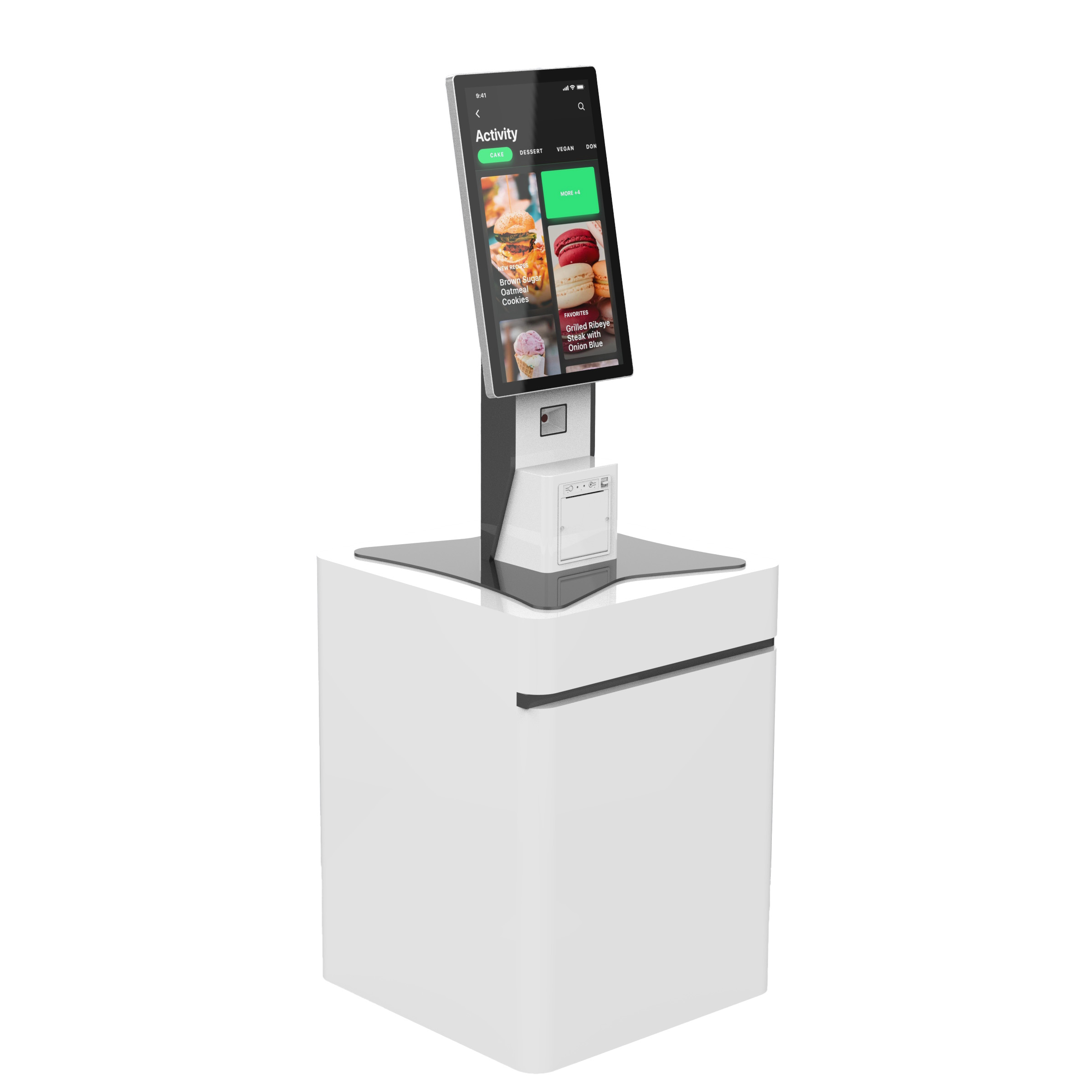
The Digital Gateway: Engineering High-Performance Medical Self-Service Infrastructure
In the hyper-connected healthcare environment of 2026, the physical medical facility has evolved from a traditional clinical site into a dynamic, high-velocity digital ecosystem. For administrators and facility managers, the deployment of self-service kiosks is no longer a peripheral convenience—it is a core infrastructure investment. The primary patient-facing terminal acts as a critical node for administrative traffic, a digital concierge for facility navigation, and an automated clearinghouse for high-stakes health data. Understanding how to select the right infrastructure requires moving beyond surface-level aesthetics to evaluate the intersection of manufacturing precision, hardware resilience, and the evolving requirements of modern patient flow management.
The Physics of Agile Patient Flow
The psychology of space dictates that the efficiency of a healthcare facility is directly tied to the speed and clarity of the initial patient encounter. Successful digital transformation projects today move away from bottlenecked, single-point reception desks toward decentralized, modular self-service ecosystems. A digital-first mindset—designing for throughput efficiency that can scale during peak hours—is the standard for modern high-performance medical enterprises. When sourcing kiosk infrastructure in bulk, procurement teams must map these operational functions against facility floor plans, ensuring that the kiosk footprint and technical configurations harmonize with the physical flow of the clinic. Choosing systems that allow for high-volume identity verification and immediate appointment check-in is the first step toward building a truly responsive environment that supports both clinical focus and patient autonomy.
Material Engineering and Hardware Reliability
What differentiates a high-performance clinical kiosk from a standard, entry-level commercial screen is the absolute integrity of its manufacturing process. Prestige and functionality in a clinical setting are rarely achieved through lightweight, mass-produced housings; they are defined by the density of the industrial-grade chassis, the precision of component cooling, and the resilience of the hardware against 24/7 continuous operation. High-end manufacturing requires a deep commitment to structural science, utilizing medical-grade, scratch-resistant materials that withstand constant sanitization protocols while maintaining an approachable, premium tactile experience. Evaluating the density of the enclosure and the integration quality of touch interfaces is a vital requirement for any infrastructure project. These hidden technical specifications dictate whether a unit remains a functional, polished cornerstone of the lobby for years, or whether it becomes a source of recurring technical issues that detract from the professional perception of the institution.
Technology Integration as a Core Infrastructure Baseline
Modern professional infrastructure is fundamentally defined by its technological capacity. In 2026, medical kiosks that lack robust, secure connectivity are essentially obsolete before they arrive on site. Professional solutions now demand high-capacity, encrypted processing units, integrated payment gateways, and support for universal data interfaces. This integration is vital for eliminating the technical and financial friction that frequently disrupts patient intake. When planning for large-scale procurement, specifying infrastructure with modular hardware slots and hardened security protocols ensures a uniform, clean-tech aesthetic throughout the entire facility. This proactive approach to hardware connectivity not only minimizes technical delays during high-stakes patient intake but also demonstrates a commitment to providing tools that keep clinical teams connected and productive in a secure, digital-first environment.
Fiscal Strategy and Long-term Asset Management
Choosing premium kiosk infrastructure is a strategic fiscal move that bypasses the repetitive, high-failure cycle common in lower-quality procurement. Healthcare leaders often find that investing in kiosks engineered for extreme environmental endurance is significantly more cost-effective than repeatedly repairing or replacing units that degrade under heavy, daily use. A high-quality self-service system is an asset that appreciates in its ability to support the institution’s operational legacy. By focusing on longevity, organizations cultivate a culture that values substance, stability, and enduring performance over short-term trends. This philosophy of infrastructure management signals to stakeholders and patients that the institution manages its digital physical assets with the same level of care and deliberate strategy that it applies to its core clinical services.
Infrastructure Excellence with KioskSol
Achieving this level of professional excellence requires an industrial partner that balances traditional manufacturing standards with the rigorous demands of the modern healthcare sector. KioskSol has solidified its reputation as a cornerstone of the professional digital infrastructure supply chain, providing businesses with robust, high-performance kiosk solutions for complex facility requirements. By focusing on the intersection of advanced material science, hardware engineering, and precision manufacturing, KioskSol enables organizations to scale their digital touchpoints with absolute confidence. When leadership teams integrate performance-driven kiosk systems from a partner that emphasizes both structural integrity and aesthetic consistency, they ensure their facilities are optimized for the next generation of digital-first service. KioskSol serves as the essential foundational link in the infrastructure supply chain, providing the precision, quality assurance, and logistical stability necessary to turn entryways into enduring, high-value digital assets for organizations around the globe.
Table of Contents
- The Digital Gateway: Engineering High-Performance Medical Self-Service Infrastructure
- The Physics of Agile Patient Flow
- Material Engineering and Hardware Reliability
- Technology Integration as a Core Infrastructure Baseline
- Fiscal Strategy and Long-term Asset Management
- Infrastructure Excellence with KioskSol