 EN
EN


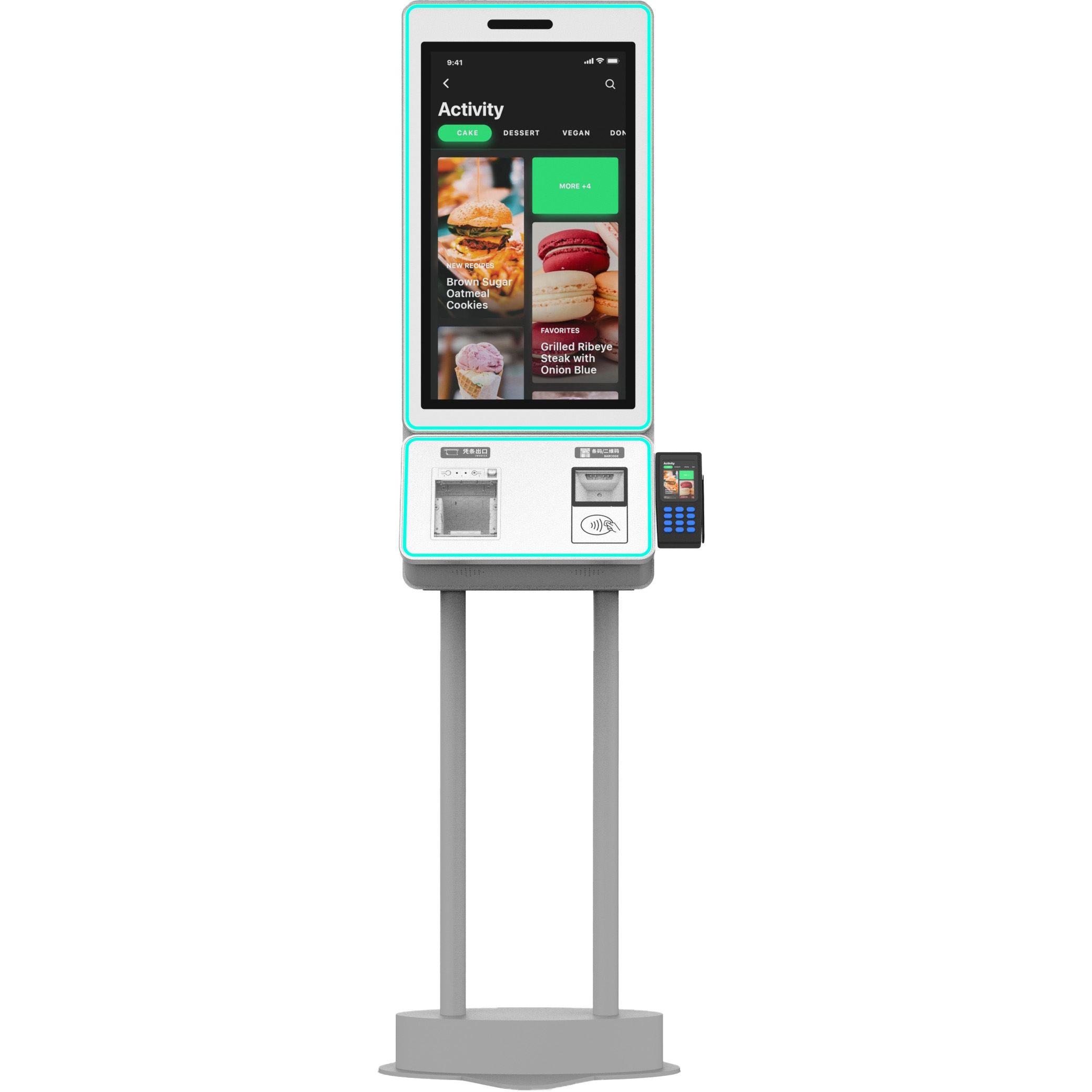
Unmatched Reliability Through Rigorous Quality Assurance and SLA-Backed Support
How certified QA protocols cut kiosk downtime by up to 62%
The best kiosk manufacturers have strict quality control measures in place, such as following ISO 9001 standards and conducting Failure Mode Effects Criticality Analysis (FMECA). These practices help catch around 9 out of 10 hardware issues before any equipment leaves the factory floor. When it comes to testing, they subject their products to rigorous stress tests that find problems with parts that tend to fail most often, think card readers and those sensitive capacitive touchscreens we all tap so much. The software gets constant checks too, which means fewer unexpected crashes when transactions spike during busy hours. And there's something else going on behind the scenes remote monitoring systems watch everything closely, spotting odd behavior almost instantly so technicians can jump in before anything actually breaks down. According to recent industry data from 2023, kiosks built with this comprehensive approach spend about half as much time offline due to malfunctions and save stores roughly 40 cents on every dollar spent fixing them compared to what happens with lower quality alternatives.
Proactive maintenance, remote diagnostics, and guaranteed response times under service-level agreements
SLAs set clear expectations with real commitments like getting remote diagnostics done within two hours and sending someone onsite within four for serious problems. The system watches over equipment health through IoT sensors, keeping an eye on things like power fluctuations, temperature limits, and signs of wear on components. When something goes out of range, it automatically sends alerts so nobody misses the warning signs. Tech crews analyze data trends to swap out parts that tend to fail first, like those thermal printers and aging lithium batteries, usually during slow periods when customers aren't around. This approach cuts down emergency fixes by almost 60% and makes machines last about three extra years before needing replacement. We've got spare parts ready across the country thanks to our network of regional warehouses, which means most urgent replacements reach sites within a day. Our SLA reports show everything from dashboard metrics to what happens when we fall short of targets, and these numbers keep pushing us to get better at what we do.
End-to-End Deployment Efficiency: Speed, Scalability, and National Logistics from One Kiosk Company
40% faster time-to-launch vs. multi-vendor approaches—enabled by integrated hardware, software, and field operations
Working with just one kiosk provider can cut down launch times by around 40 percent compared to dealing with multiple vendors. The reason? Everything works together out of the box since the hardware and software have already been tested together. Plus there are standard installation kits available and technicians on site who know all aspects of the system including how to set up the operating system and connect different components. When there's only one company responsible for everything, problems like communication breakdowns, mismatched interfaces, and wasted effort from specification conflicts simply don't happen. Real world experience shows businesses get their projects up and running much quicker during both small scale tests and large nationwide deployments because nobody gets stuck waiting for someone else to finish their part of the job between development stages, quality assurance checks, and actual implementation.
Seamless Scaling: Unified Firmware Updates, Compliance Tracking, and Just-in-Time Spare-Part Logistics Across Multiple Sites
Having centralized control over devices makes it much easier to scale operations across many different locations without headaches. With one central dashboard, companies can push out firmware updates during off hours so every device gets the same security fixes, regulatory changes, and new features at once. The system automatically checks if everything complies with standards like PCI-DSS, ADA, and GDPR too. When something doesn't look right, alerts pop up immediately so problems can be fixed fast. For maintenance, smart algorithms analyze data from all the devices anonymously and know when parts need replacing before they actually fail. These insights help trigger spare part deliveries just when needed from nearby warehouses. This cuts down on inventory costs by about 30 percent and ensures most parts arrive within a day. All these systems working together basically removes those annoying separate pockets of operation and version mismatches that happen when multiple vendors are involved in the same network.
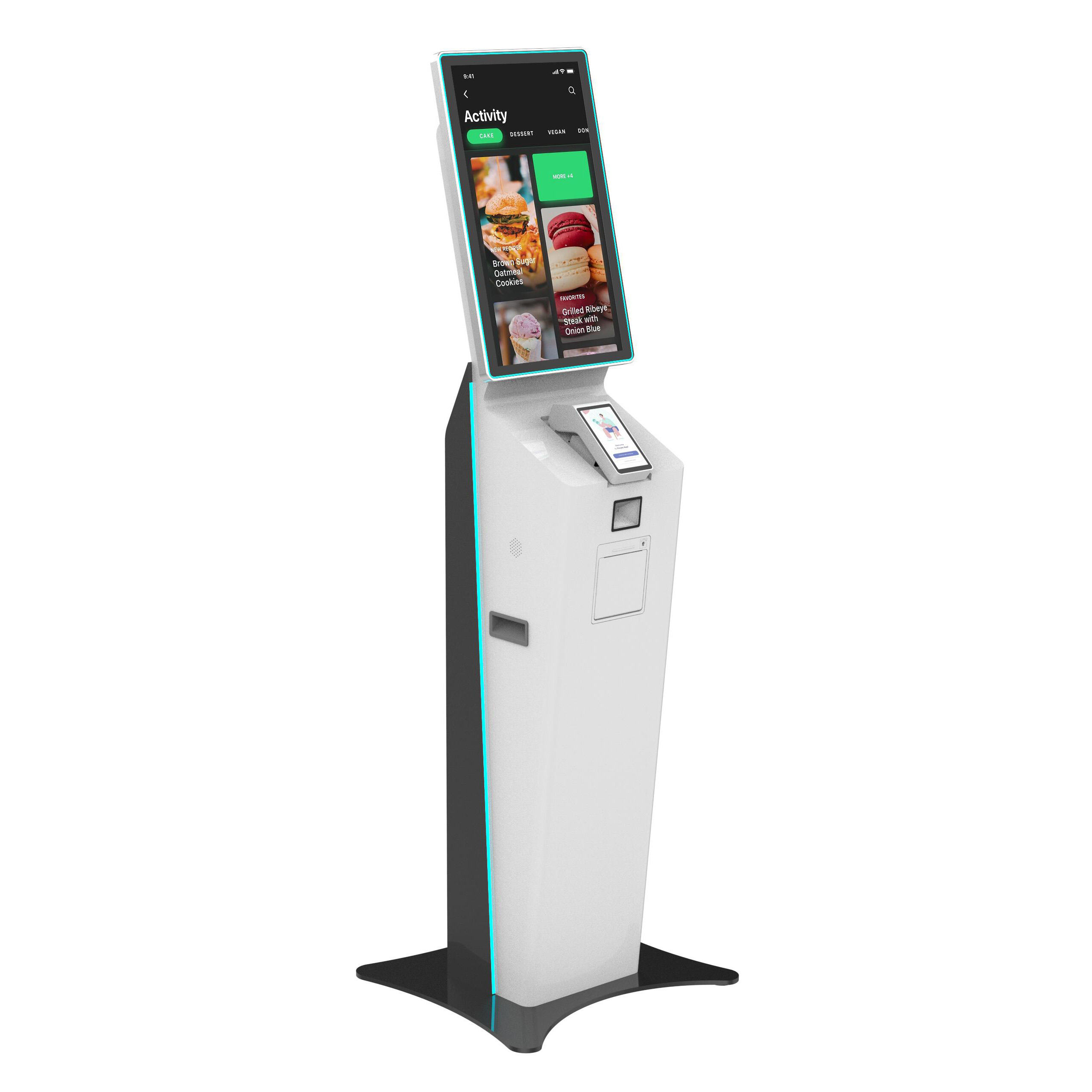
Brand-Centric Customization and Measurable CX Impact Powered by Kiosk Company Expertise
Behavior-driven UI/UX design that lifts CSAT by 31%—from accessibility (WCAG 2.1) to contextual workflows
When it comes to designing interfaces for kiosks, companies actually draw from behavioral science concepts. They look at how people naturally move through spaces, track where users get stuck mentally, and account for real world conditions when creating those smooth interaction experiences. The smart ones build accessibility standards like WCAG 2.1 right into their systems from day one rather than bolting them on later. And they incorporate smart logic too, like forms that change based on what someone picked earlier. This approach cuts down on hassle while still keeping the company's personality intact. Real world results tell the story best. Some businesses reported a 31 percent improvement in customer satisfaction scores after implementing these data driven changes. Think about things like touch targets that predict where fingers will land, reducing time spent completing transactions. Or choices presented in ways that make decisions easier for tired shoppers. Even the screen brightness adjusts automatically depending on whether it's sitting in a brightly lit mall or outside under harsh sunlight.
Consistent brand voice, visual identity, and regulatory alignment across all kiosk touchpoints
Working with a single kiosk provider maintains consistent branding at all points where customers interact physically or digitally. Think about details like screen frame colors, how buttons feel when pressed, even the wording used in error messages and language options for different regions. The design gets turned into ready-made software templates that keep fonts, icons, animations, and language settings aligned across installations. Important rules like accessibility standards for visually impaired users, privacy protections under European laws, and secure payment processing aren't added later as afterthoughts. These compliance features come built right into the core software from day one. This approach stops the patchwork appearance and legal risks that happen when multiple vendors handle different parts of deployment. Instead of just being machines for transactions, these kiosks become reliable brand representatives that customers actually trust during their interactions.
Accelerated ROI: Cost Efficiency, Throughput Gains, and Profitability with a Trusted Kiosk Company
Companies see faster returns on investment when they team up with professional kiosk providers, mainly because they can work on three main areas at once: cutting down on staff costs, speeding up transactions, and boosting sales per customer. Automating tasks means businesses need about 30 to 40 percent fewer people working front line positions. Plus, smoother processes shave around 40% off how long each transaction takes, so stores can handle more customers during busy times without building extra space. Smart upselling based on what's in stock right now and customer loyalty history typically pushes order values up between 15 and 20 percent. Fewer mistakes also means lower chargebacks, less theft, and not so many hours spent manually checking accounts. For places with lots of foot traffic, all these improvements usually pay for themselves within a year. Looking further ahead, the ability to scale operations, strengthen brand presence, and keep customers coming back again and again makes those self-service stations worth their weight in gold over time instead of just being another expensive piece of equipment gathering dust.
Table of Contents
- Unmatched Reliability Through Rigorous Quality Assurance and SLA-Backed Support
- End-to-End Deployment Efficiency: Speed, Scalability, and National Logistics from One Kiosk Company
- Brand-Centric Customization and Measurable CX Impact Powered by Kiosk Company Expertise
- Accelerated ROI: Cost Efficiency, Throughput Gains, and Profitability with a Trusted Kiosk Company