 EN
EN


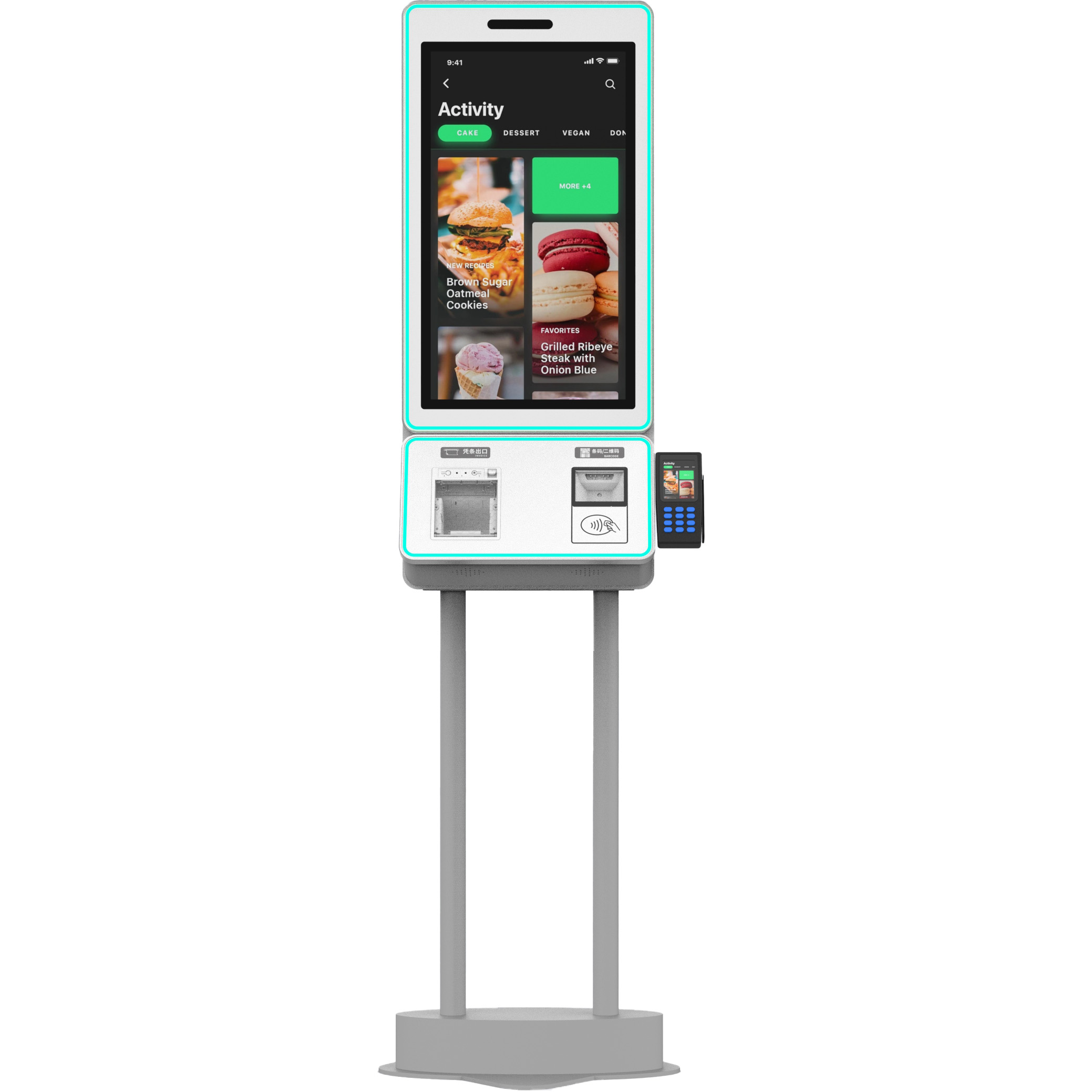
In the era of rapid digital transformation, the interface between a citizen and their government is shifting from static office buildings to dynamic, 24/7 accessible touchpoints. The government kiosk has emerged as a cornerstone of modern public administration, acting as a physical bridge to digital services. As municipalities strive to become "Smart Cities," these self-service terminals are no longer just a convenience—they are a mechanical necessity for efficient, inclusive, and secure governance.
At , we have seen firsthand how the strategic deployment of specialized hardware can revolutionize the bureaucratic landscape. Here is an expert analysis of why these systems are vital for the future of public administrative services.
-
Radical Efficiency: Eliminating the "Queue Culture"
The most immediate impact of a government kiosk is the drastic reduction in administrative "friction." Traditional government offices are often plagued by long wait times, restricted operating hours, and manual paperwork that bogs down both the citizen and the civil servant.
-
24/7 Availability: Unlike a physical office that closes at 5:00 PM, a kiosk can be placed in a secure vestibule or community center, allowing citizens to renew a driver’s license or pay property taxes on a Sunday night or after a late-shift job.
-
Automating Routine Tasks: Statistics show that up to 80% of in-person government visits are for routine tasks like payments, permit renewals, or document requests. By offloading these to a government kiosk, agencies can process thousands of transactions simultaneously without increasing headcount.
"In a recent deployment for a regional DMV, we integrated high-speed thermal printers and card dispensers. The result was a reduction in average wait times from 45 minutes to under 3 minutes for registration renewals." — Project Lead, Kiosk Solutions.
-
Bridging the Digital Divide and Enhancing Inclusivity
While many citizens are comfortable using smartphones for government services, a significant portion of the population remains "digitally underserved." This includes the elderly, individuals without high-speed home internet, and those who lack bank accounts (the unbanked).
-
The Physical Access Point: A government kiosk provides a high-end computing environment for those who don't own one. It offers a large, high-brightness touchscreen and intuitive UI that is often easier to navigate than a complex website.
-
Cash-to-Digital Solutions: For the unbanked, kiosks equipped with secure cash-recycling modules are vital. These citizens can pay utility bills or court fines with physical currency, which the kiosk then digitizes and clears through the government’s financial backend.
-
Language Accessibility: Modern kiosks feature real-time translation. A single terminal can serve a diverse neighborhood by offering interfaces in dozens of languages, ensuring that non-native speakers have equal access to public resources.
-
Security and Authentication: The Trust Factor
In an age of rampant identity theft, the government kiosk provides a level of security that a home PC cannot match. Because the hardware is a "closed-loop" system, it is significantly more resistant to phishing and malware.
-
Biometric Integration: Professional kiosks utilize FBI-certified fingerprint scanners, 3D facial recognition cameras, and iris scanners. This ensures that the person accessing a sensitive social security record is the actual owner.
-
Secure Document Verification: High-end kiosks feature specialized scanners that check for UV and IR security marks on passports and IDs. This prevents fraud at the point of entry, a feature that is impossible to replicate via a standard mobile app.
-
Hardware Encryption: Every transaction on a government kiosk is protected by TPM (Trusted Platform Module) chips and hardware-level encryption, ensuring that personal data is hashed and secured the moment it is entered.
-
Cost Optimization and Resource Allocation
For government agencies, the Return on Investment (ROI) of a kiosk network is profound. The cost of maintaining a self-service terminal is a fraction of the cost of staffing a full-service satellite office.
By deploying kiosks, governments can "Hub and Spoke" their expertise. Highly trained staff can stay at a central hub to handle complex cases, while the government kiosk handles the volume at the "spokes" in the community.
-
ADA 2.0: Ensuring Universal Access
Legislation such as the Americans with Disabilities Act (ADA) and international accessibility standards are core to kiosk development. A vital government service must be usable by all citizens.
-
Motorized Height Adjustment: New generations of kiosks can automatically lower the interface for wheelchair users.
-
Audio Navigation: For the visually impaired, kiosks feature headphone jacks and tactile braille keypads, allowing for private, voice-guided transactions.
-
Contrast and Font Control: AI-driven interfaces can adjust text size and contrast levels on the fly to assist those with age-related vision decline.
-
The "Virtual Clerk": Human Connection in a Digital World
One common critique of automation is the loss of the human touch. Modern government kiosks solve this through Integrated Video Conferencing.
If a citizen becomes confused during a complex application, they can hit a "Live Assistance" button. A government agent instantly appears on the screen via a high-definition camera. This "Virtual Clerk" can see the user's screen, guide them through the fields, and even remotely override errors. This hybrid approach maintains the efficiency of a kiosk while preserving the empathy and problem-solving skills of a human representative.
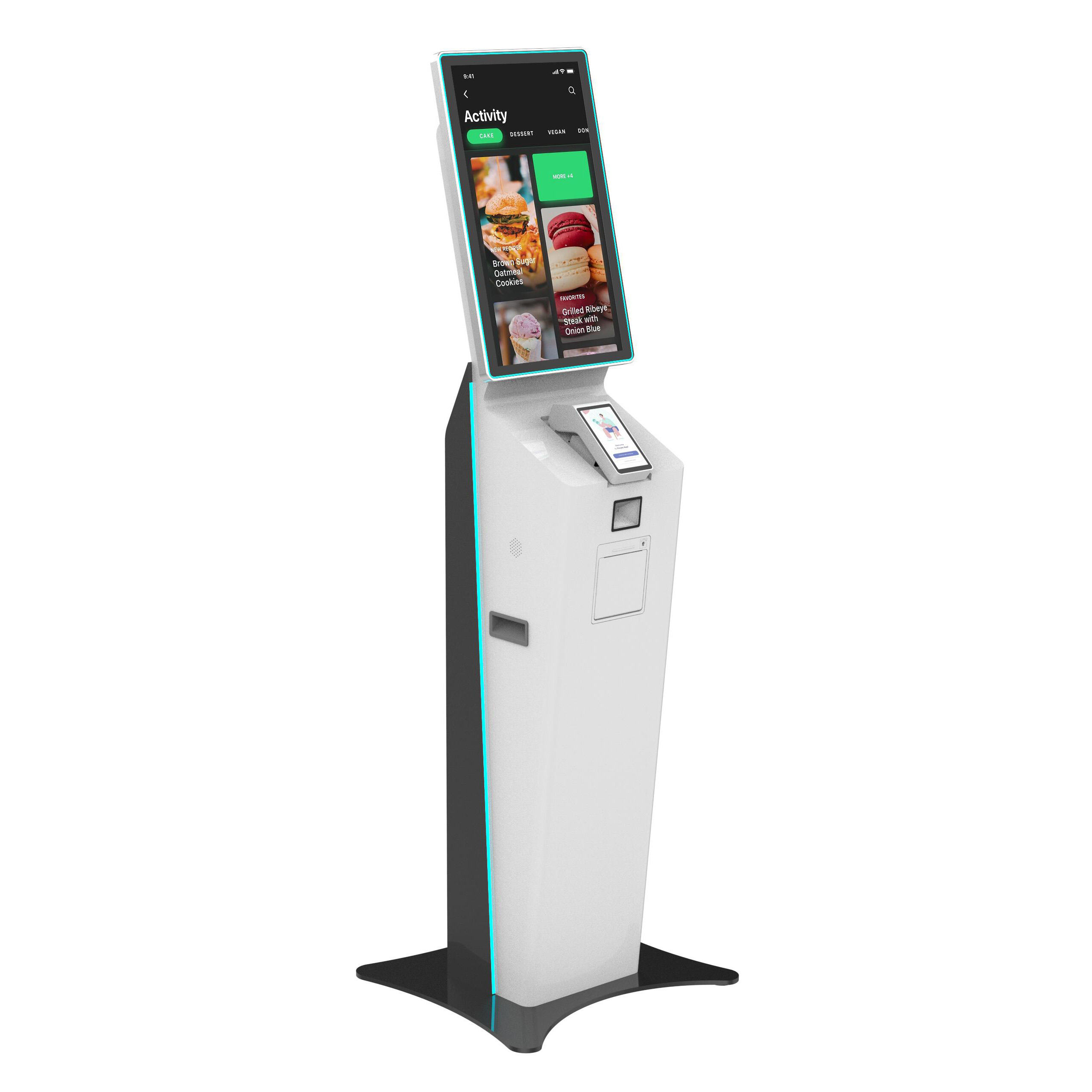
Final Verdict: The Infrastructure of Modern Democracy
The government kiosk is more than just a machine; it is a manifestation of a government that respects its citizens' time and privacy. By providing a secure, accessible, and 24/7 gateway to administrative services, these terminals ensure that the benefits of the digital age are shared by everyone, regardless of their location or technical ability.
Table of Contents
- Radical Efficiency: Eliminating the "Queue Culture"
- Bridging the Digital Divide and Enhancing Inclusivity
- Security and Authentication: The Trust Factor
- Cost Optimization and Resource Allocation
- ADA 2.0: Ensuring Universal Access
- The "Virtual Clerk": Human Connection in a Digital World
- Final Verdict: The Infrastructure of Modern Democracy