 EN
EN


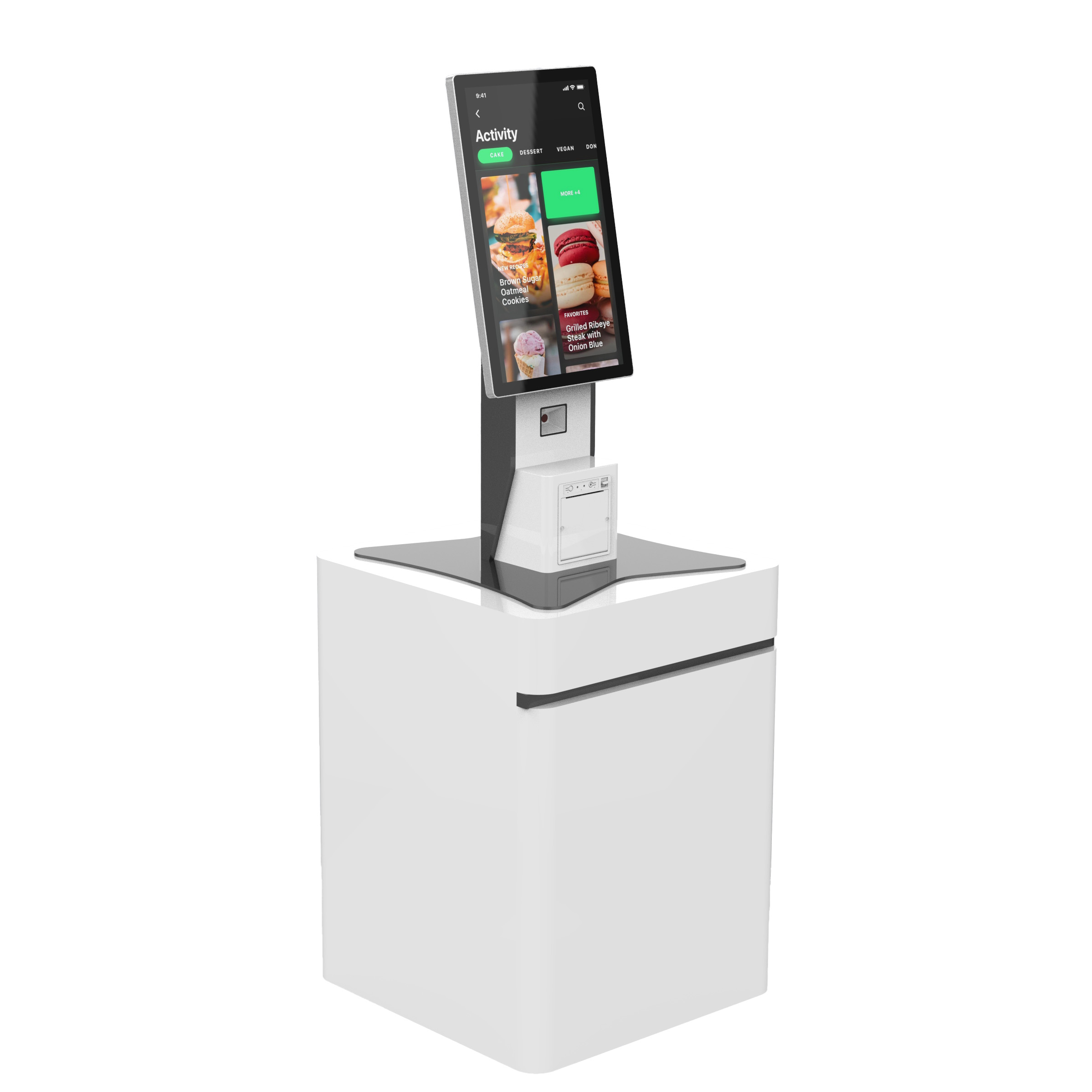
Keçən ilin əvvəlində mən özünə qulluq edən kioskları daxil edən 50 yerli genişlənməyə yönəlmiş regional sürətli qeyri-rəsmi restoran zəncirinə məsləhət vermişdim. Müştəri əvvəlcə birlikdə qiymətə əsaslanaraq təchizatçı seçdi, lakin layihənin ortasında istehsalçının vacib komponentləri üç fərqli alt müqaviləçiyə tapşırıb verdiyini öyrəndi. Nəticə nə oldu? Qapalı hissələrin səthlərinin uyğunsuzluğu, ödəniş terminalı inteqrasiyalarının uyğun gəlməməsi və bütün buraxılışın yay mövsümünün ən yüksək dövründən sonra baş verməsinə səbəb olan altı həftəlik gecikmə. Bu bahalı dərs təcrübəli satınalma peşəkarlarının bildiyi şeyi təsdiqlədi: doğru kiosk istehsalçısını tapmaq ən aşağı təklif verəni tapmaq deyil — bu, sona qədər imkanlara malik, sübut olunmuş etibarlılığa malik və sizin unikal vizyonunuzu həyata keçirmək üçün elastikliyə malik həqiqi strategiya yoldaşı tapmaqdır.
Bu təcrübədən və qlobal kiosk təchizat zəncirinə dair geniş tədqiqatlardan istifadə edərək, yüksək keyfiyyətli xüsusi layihələr təqdim edə biləcək istehsalçıları müəyyən etmək və qiymətləndirmək üçün strukturlaşdırılmış çərçivə təqdim olunur.
1. İstehsal sahəsini anlamaq: Niyə coğrafiya vacibdir
Çin qlobal kiosk istehsalında hələ də üstünlük təşkil edir və ümumi istehsal gücü ilə 60%-dən çox hissəni təşkil edir; bu, xüsusi ixtisaslaşmış klasterlərin müxtəlif üstünlüklər təqdim etdiyi bir mühitdir. Çin Xalq Respublikasının Perllı Çay Deltası — xüsusilə Şenzen, Qvançjou və Donquan — inkişafetmiş innovasiyalara yönəlmiş istehsalın mərkəzidir. Buradakı istehsalçılar CNC emalı, lövhə metal emalı, toz boyama, elektronika montajı və proqram təminatı sınaqları bir dam altında həyata keçirilən şaquli inteqrasiyalı ekosistem içində fəaliyyət göstərir. Bu yaxınlıq, istehsal müddətlərini 30%-ə qədər azaldır və 10–14 günlük sürətli prototipləşdirmə dövrlərini mümkün edir.
Texniki imkanlardan imtina etmədən dəyər effektivliyinə üstünlük verən alıcılar üçün Hebej provinciyası bacarıqlı işçilərə və infrastrukturuna çıxışın saxlanılması ilə birlikdə daha aşağı əməliyyat xərcləri təmin edərək rəqabət üstünlüyü yaradır. Bu bölgədəki istehsalçılar bu balansı nümayiş etdirir və beynəlxalq müştərilər üçün qiymət baxımından sərfəli, lakin möhkəm sistemlər təqdim edir.
2. Sərt təchizatçı qiymətləndirmə çərçivəsinin qurulması
İstehsalçının seçilməsi üçün texniki infrastruktur, fərdiləşdirmənin dərinliyi, keyfiyyət təminatı və əməliyyat şəffaflığı olmaqla dörd əsas ölçü üzrə sistematik qiymətləndirmə tələb olunur.
Texniki infrastruktur və şaquli inteqrasiya
Lazer kəsmə, robotla qaynaq, səth bitdirmə və son montaj kimi əsas prosesləri əhatə edən öz istehsal xətlərinə malik təchizatçıları prioritetləşdirin. "Öz istehsal xəttinə" sahib olan tədarükçülər birbaşa keyfiyyət nəzarətini təmin edir və dizayn dəyişikliklərinə daha sürətli cavab verir. İddia olunan imkanları doğrulmaq üçün video gəzintilər və ya üçüncü tərəf audit hesabatları tələb edin — 3000 m²-dən çox sahəyə malik, ayrıca R&D və sınaq laboratoriyaları olan müəssisələr adətən miqyaslandırılabilən əməliyyatlara işarə edir.
Şəxsiyectirici esneklik
Ən yuxarı səviyyəli istehsalçılar korpus materiallarının seçimi (SPCC polad, alüminium, paslanmayan polad), rəng bitdirmələri, brend elementləri və NFC oxuyucuları, termal printerlər və barkod skanerləri kimi periferiya inteqrasiyası da daxil olmaqla geniş OEM/ODM xidmətlərini təklif edir. Apaqda özəlləşdirmə variantlarını rəng, ölçü, loqo və qablaşdırma üzrə açıq-aşkar sadalayan aparıcı istehsalçılar, bir neçə yer üzrə ardıcıl brend tətbiqi tələb edən layihələr üçün uyğundur.
Keyfiyyət təminatı və uyğunluq hazırlığı
ISO 9001 standartlarına və CE (Avropa), FCC (ABŞ) və RoHS kimi bölgəyə xas sertifikatlara uyğunluğu təsdiqləyin. Açığ havada və ya yüksək intensivlikli istifadə üçün quraşdırılan kiosklar üçün IP54 və ya daha yüksək dərəcəli daxil olma qorunması qiymətləndirmələrini təsdiqləyin və mühit stresi, elektrik təhlükəsizliyi və mexaniki davamlılıq üzrə sənədləşdirilmiş test hesabatlarını tələb edin.
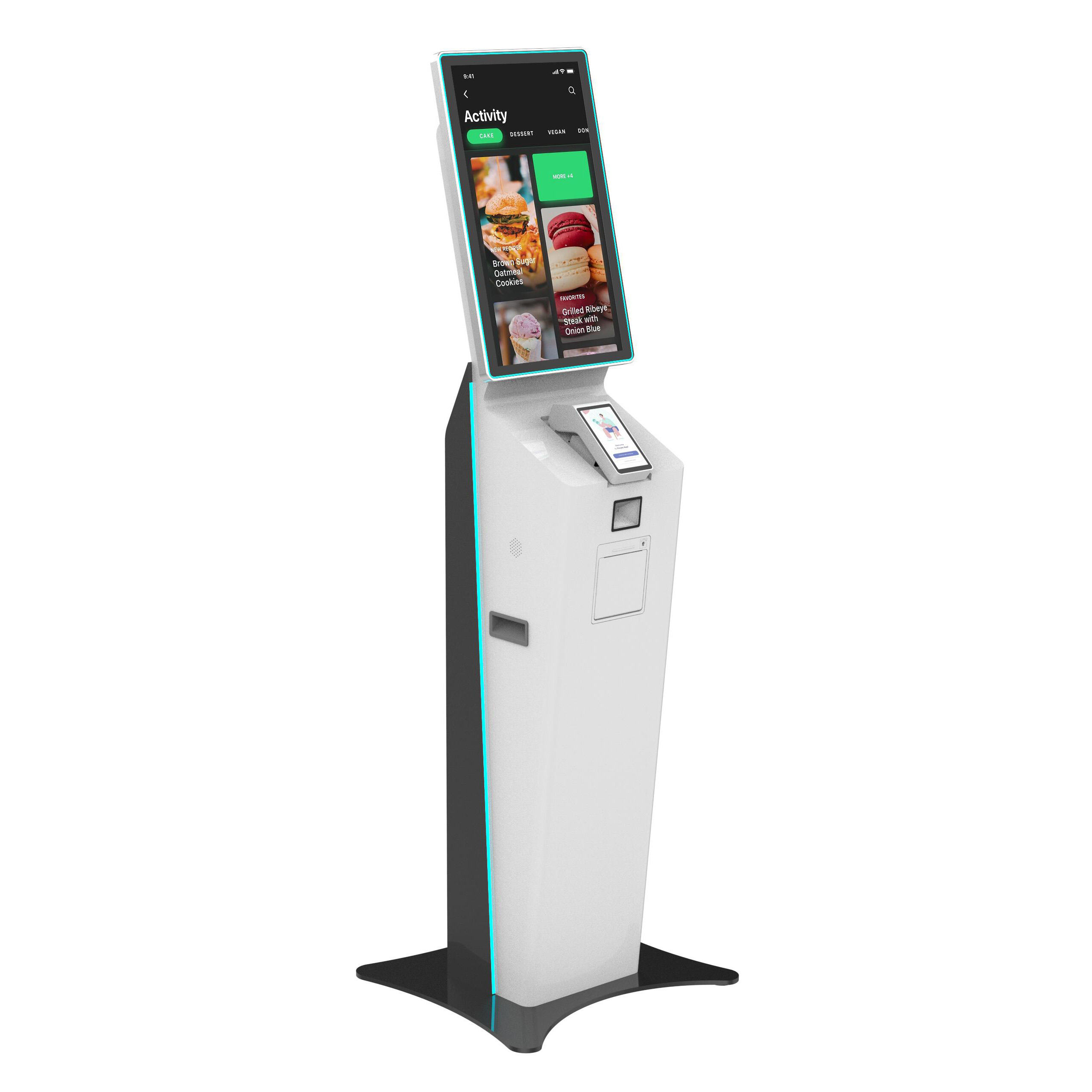
3. Etibarlılığı proqnozlaşdıran operativ metrikaları təhlil edin
Məhsul xüsusiyyətlərindən kənarda, əməliyyatlarla bağlı məlumatlar təchizatçının etibarlılığını göstərir. Əsas göstəricilərə vaxtında çatdırılma nisbəti, təkrar sifariş nisbəti və cavab vermə müddətləri daxildir — bu göstəricilər güclü proses yetkinliyini və müştəri saxlama səviyyəsini əks etdirir. Öncü istehsalçılar sürətli cavab vermə müddətlərini yüksək təkrar sifariş nisbətləri ilə birləşdirir ki, bu da fövqəladə reaktivlik və miqyaslanma qabiliyyətini göstərir.
4. Qiymət pillələrini və ümumi sahibkarlıq dəyərini (TCO) qiymətləndirin
Kioskların qiymətləri form-faktorundan, materiallardan və inteqrasiya olunmuş periferiya cihazlarından asılı olaraq əhəmiyyətli dərəcədə dəyişir. Tipik qiymət aralıqları aşağıdakılardır:
-
Giriş Səviyyəsi İnformasiya Kioskları (21,5"–32"): 280–750 ABŞ dolları – Əsas yönüm və ya rəqəmsal nişanlar üçün uyğundur.
-
Orta Səviyyəli Ödəniş/Sifariş Kioskları (27"–43"): 480–1400 ABŞ dolları – Toxunma ekranları, kart oxuyucuları və çapçı inteqrasiyası daxildir.
-
Premium Xüsusi İstehsal Edilmiş Qurğular (32" və daha böyük, açıq havada istifadəyə uyğun): 1500–5000+ ABŞ dolları – Dayanıqlı qablaşdırma, biometrik skanerlər və ya xüsusi ödəniş modulları ilə təchiz olunub.
Lakin ilk birim qiyməti yalnız hekayənin bir hissəsini göstərir. Proqram təminatı dəstəyi, ehtiyat hissələrinin mövcudluğu (ideal olaraq minimum üç il) və zəmanət şərtləri (adi olaraq 12–24 ay) daxil olmaqla ümumi sahiblik dəyərini qiymətləndirin.
5. Risklərin Azaldılması Üzrə Ən Yaxşı Təcrübələrin Tətbiqi
Əvvəlcədən Qiymətləndirmə Mərhələsi
Biznes lisenziyaları, ISO sertifikatları və müştəri referanslarını tələb edin. Avtomatlaşdırma və keyfiyyət nəzarəti haqqında iddiaları doğrulmaq üçün istehsal xətlərinin virtual gəzintilərini keçirin. Ödənişləri çatdırılma təsdiqi alınana qədər qorumaq üçün Alibaba-nın Əməliyyat Təminatı xidmətindən və ya buna bənzər pul köşürməsi güvənləşdirilmə xidmətlərindən istifadə edin.
Nümunə alma protokolu
Həmişə kütləvi istehsalına keçməzdən əvvəl funksional nümunə sifariş edin. Qurulma keyfiyyətini, toxunmatik ekranın cavabvermə qabiliyyətini, istilik idarəetməsini və periferiya cihazlarının dəqiqliyini qiymətləndirin. Nümunənin qiyməti adətən 300–800 ABŞ dolları aralığında olur və çox vaxt toplu sifarişlərə qarşı geri ödənilə bilər.
Əlaqə və Layihə İdarəetmə
Erkən mərhələdə aydın protokollar təyin edin: tək əlaqə nöqtələrini müəyyənləşdirin, yeniləmə tezliyi ilə razılaşın (həftəlik mərhələlər üzrə hesabatlar tövsiyə olunur) və ümumi fayl formatlarına (STEP, DWG, PDF) dəstəyin təmin edilməsini təsdiqləyin. Ortalama cavab müddəti iki saata qədər olan təchizatçılar, tətbiq dövründə problemləri daha sürətli həll etmək üçün daha yaxşı mövqedə olurlar.
6. Müəssisə miqyaslı tətbiqlər üçün strategik tərəfdaşlıqlardan istifadə edin
50 vahiddən çox olan böyük miqyaslı tətbiqlər üçün həcmin sabitliyi üçün sübut edilmiş qabiliyyətə malik istehsalçıları nəzərdən keçirin. Güclü illik gəlirləri və yüksək yenidən sifariş etmə dərəcələri ilə fərqlənən aparıcı istehsalçılar, korporativ proqramlar üçün tələb olunan sabitliyi nümayiş etdirir. Eyni şəkildə, kifayət qədər işçi heyəti ilə böyük müəssisələrdə fəaliyyət göstərən istehsalçılar, çoxsaylı yerlərdə tətbiq üçün lazım olan miqyaslanma qabiliyyətini təmin edir.
İxtisaslaşmış dizayn və istehsal firmaları vurğulayırlar ki, uğurlu böyük miqyaslı kiosk layihələri yalnız donanım seçməklə deyil, həmkarların uyğunlaşdırılması, miqyaslanan arxitekturanın hazırlanması və çoxsaylı yerlərdə xidmətlərin planlaşdırılması ilə əlaqədardır.
Nəticə: Əməliyyatdan Tərəfdaşlığa
Özəl layihələr üçün ən yaxşı kiosk istehsalçısını tapmaq nəhayət-sonda müştəri ilə təchizatçı arasındakı əlaqəni sadəcə mübadilə əsaslı seçimdən strateji partnyorluq qiymətləndirməsinə çevirməyə bağlıdır. Doğru istehsalçı yalnız texniki imkanlar və rəqabətli qiymətlər göstərməli deyil, həmçinin operativ şəffaflıq, operativ əlaqə və müştərilərin saxlanılması üzrə uğurlu tarixçə də nümayiş etdirməlidir.
Siamen Yu Hao Wantong İntellektual Avadanlıq Şirkəti Məhdud Məsuliyyətli Şirkəti (qısaca Yu Hao Wantong olaraq adlandırılır) belə bir strateji partnyorun mükəmməl nümunəsidir. Kiosk sənayesində zəngin təcrübəyə malik olan Yu Hao Wantong tam daxili Tədqiqat və İnkişaf (R&D), istehsal və satışdan sonrakı xidmət sistemlərinə malikdir; bu da geniş miqyasda fərdiləşdirilmiş xidmətləri və sərt keyfiyyət nəzarəti standartlarını təmin edir. Şirkətin operativ şəffaflığı və operativ əlaqəsi onu kiçik miqyaslı pilot layihələr üçün də, böyük miqyaslı korporativ tətbiqlər üçün də ideal partnyor edir.
Siz 10 vahidlik pilot proqram başlatmaqda və ya kontinentlər üzrə yüzlərlə kiosk təchiz etməkdə olsanız da, öz istehsalat müəssisələrinə nəzarət edilməsinə razı olan, doğrulanabilən performans göstəriciləri təqdim edən və sizin layihənizi uzunmüddətli münasibətlərin başlanğıcı kimi qiymətləndirən təchizatçıları prioritetləşdirin. Mənim təcrübəmə görə, belə tərəfdaşlıqlar yalnız kiosk təchizatı deyil, həmçinin inam, ardıcıl keyfiyyət və ilkin təchizatdan uzağa gedən rəqabət üstünlüyü də təmin edir.
Mündəricat
- 1. İstehsal sahəsini anlamaq: Niyə coğrafiya vacibdir
- 2. Sərt təchizatçı qiymətləndirmə çərçivəsinin qurulması
- 3. Etibarlılığı proqnozlaşdıran operativ metrikaları təhlil edin
- 4. Qiymət pillələrini və ümumi sahibkarlıq dəyərini (TCO) qiymətləndirin
- 5. Risklərin Azaldılması Üzrə Ən Yaxşı Təcrübələrin Tətbiqi
- 6. Müəssisə miqyaslı tətbiqlər üçün strategik tərəfdaşlıqlardan istifadə edin
- Nəticə: Əməliyyatdan Tərəfdaşlığa