Get a Free Quote

Our representative will contact you soon.
Email
Mobile/WhatsApp
Name
Company Name
Message
0/1000

What Benefits Do Public Service Solutions Bring to Citizens

2026-05-21 16:58:26
What Benefits Do Public Service Solutions Bring to Citizens

What Is a Public Service Solution?

A public service solution is an integrated system that helps government agencies deliver essential services efficiently, equitably, and with public trust. These solutions combine digital platforms, data management, and citizen-facing tools to transform how governments handle tasks such as permitting, licensing, benefits distribution, and regulatory compliance. Unlike standalone software, a comprehensive public service solution addresses the entire service lifecycle—from application intake and verification to approval, payment, and ongoing monitoring. The goal is to reduce administrative burden, eliminate duplication, and improve the end-user experience. For example, a modern solution might allow a citizen to apply for a building permit online, track its progress in real time, and receive the approved document digitally—all without visiting an office. Effective public service solutions are built on principles of transparency, security, and interoperability, enabling agencies to share data across departments while maintaining strict compliance with privacy regulations. In essence, they shift government operations from siloed, paper-based processes toward a connected, citizen-centric model that saves time, cuts costs, and builds confidence—meeting rising public expectations for seamless digital experiences comparable to those offered by the private sector.

Core Components of an Effective Public Service Solution

Integrated Digital Infrastructure

An effective public service solution relies on integrated digital infrastructure as its backbone. This foundation connects disparate systems—from legacy databases to modern cloud platforms—creating a unified operational environment. By breaking down data silos, agencies achieve seamless information flow across departments, enabling real-time decision-making and resource allocation. Modern solutions incorporate API-driven architecture, allowing future scalability without costly re-engineering. The result is a resilient framework that adapts to changing citizen demands while maintaining operational continuity during peak service requests or emergencies.

Citizen-Centric Design and Accessibility

Public service solutions must prioritize citizen-centric design through intuitive interfaces and multi-channel accessibility. Agencies adopting inclusive design principles increase citizen engagement by 34% while reducing support ticket volumes. Key features include:

  • Universal access: WCAG 2.1 compliant interfaces supporting screen readers, voice navigation, and contrast adjustments
  • Omnichannel delivery: Consistent service experience across web portals, mobile apps, kiosks, and call centers
  • Predictive assistance: AI-driven form pre-fill and contextual help systems that reduce application abandonment
  • Plain-language workflows: Complex processes transformed into guided step-by-step journeys with progress indicators

These design choices directly impact equity metrics—especially for vulnerable populations facing digital literacy or connectivity challenges. When residents can complete permit applications or benefit enrollments in under eight minutes—compared to traditional 45-minute processes—trust in public institutions measurably increases.

Data Security, Compliance, and Interoperability

Robust security protocols form the non-negotiable third pillar of public service solutions. Government agencies handling sensitive citizen data must implement end-to-end encryption, zero-trust architectures, and regular penetration testing. Solutions incorporating automated compliance checks reduce audit findings by 78% while cutting breach remediation costs by $740k (Ponemon Institute, 2023). Critical capabilities include

This security-interoperability balance allows agencies to share essential information—like disaster response resources or benefit eligibility verification—while maintaining strict compliance with regulations such as CJIS, HIPAA, and FISMA. The resulting infrastructure turns compliance from a cost center into a trust-building asset.

How Public Service Solutions Transform Agency Operations

Streamlining Permitting, Licensing, and Benefit Delivery

A public service solution automates repetitive tasks in permitting, licensing, and benefit programs—accelerating application processing by up to 40%. This reduces backlogs, frees staff to focus on complex or exception-based cases, and delivers shorter wait times and fewer errors for citizens. Real-time status tracking also strengthens transparency, empowering applicants with visibility into their service journey.

Enabling Real-Time Performance Monitoring and Reporting

Modern public service solutions provide live dashboards that track key metrics—including approval times, service usage patterns, and citizen satisfaction scores. Decision-makers gain instant insights instead of relying on manual, lagging reports. With real-time data, agencies can dynamically adjust staffing, refine workflows, or launch targeted outreach—such as redeploying support during seasonal application surges. Performance monitoring also supports accountability, making outcomes visible to leadership and the public alike.

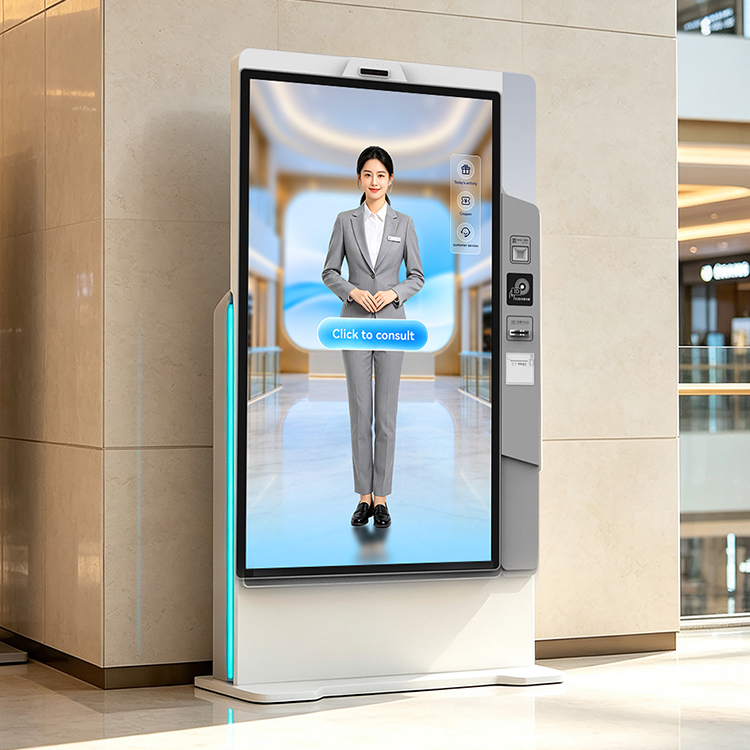
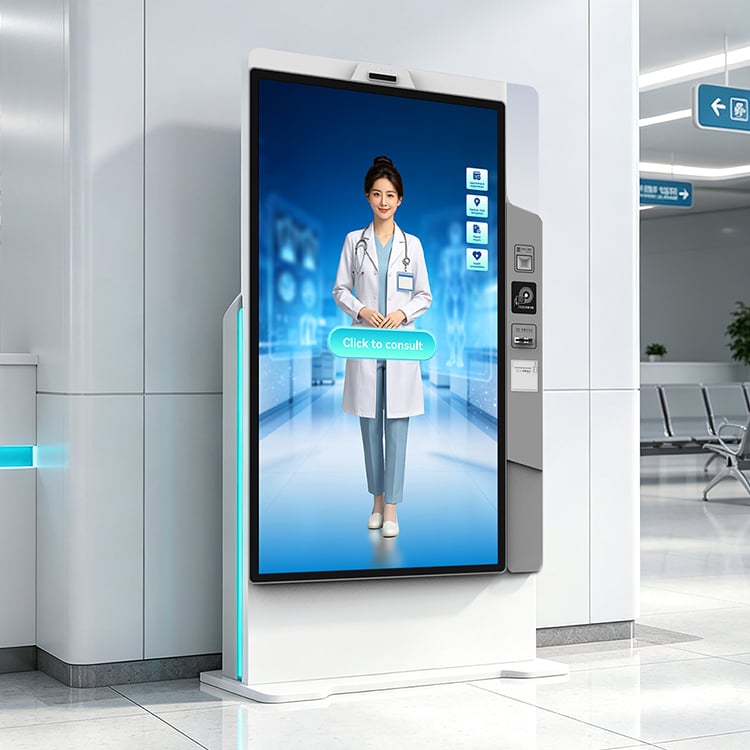
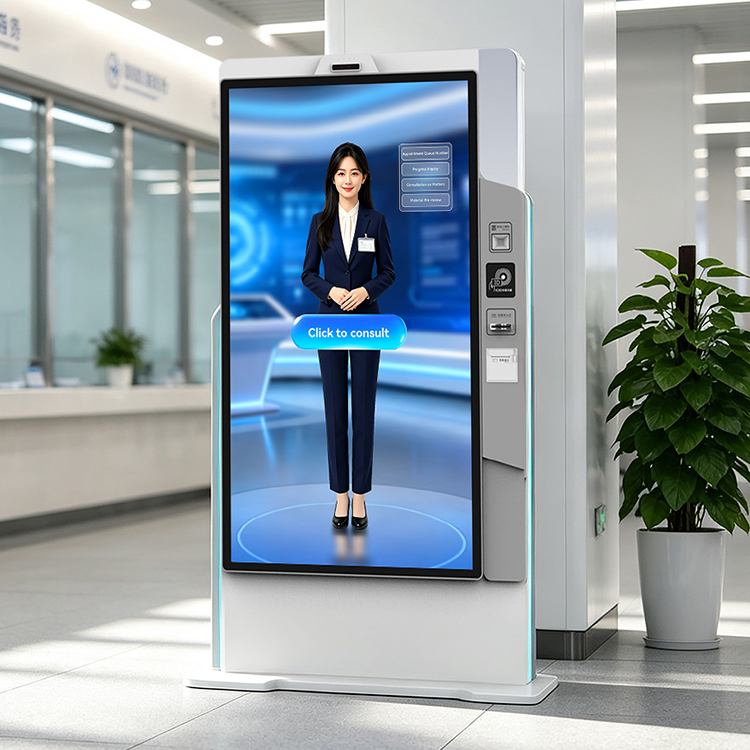
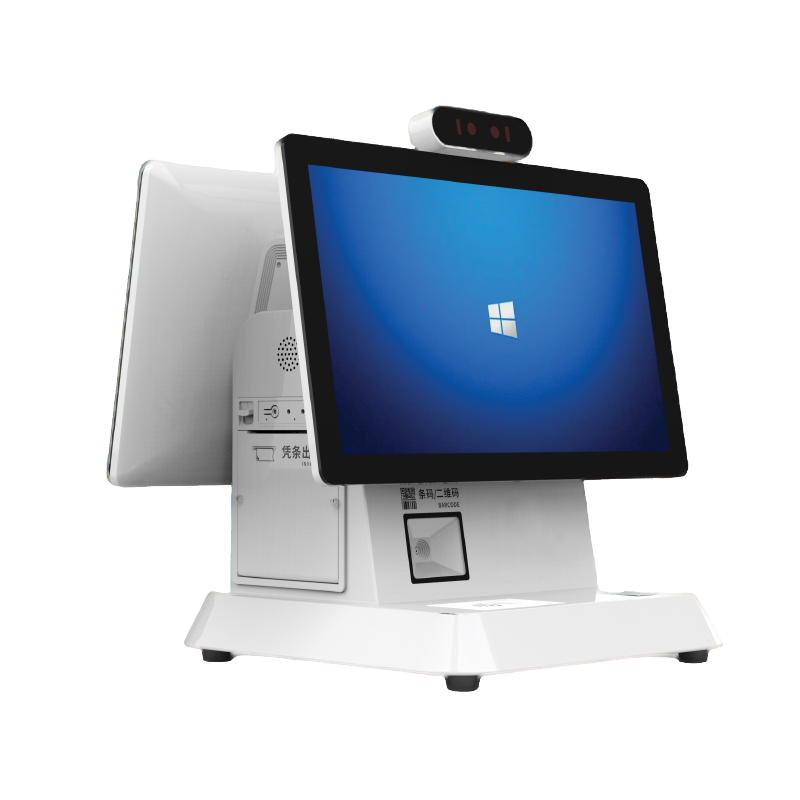
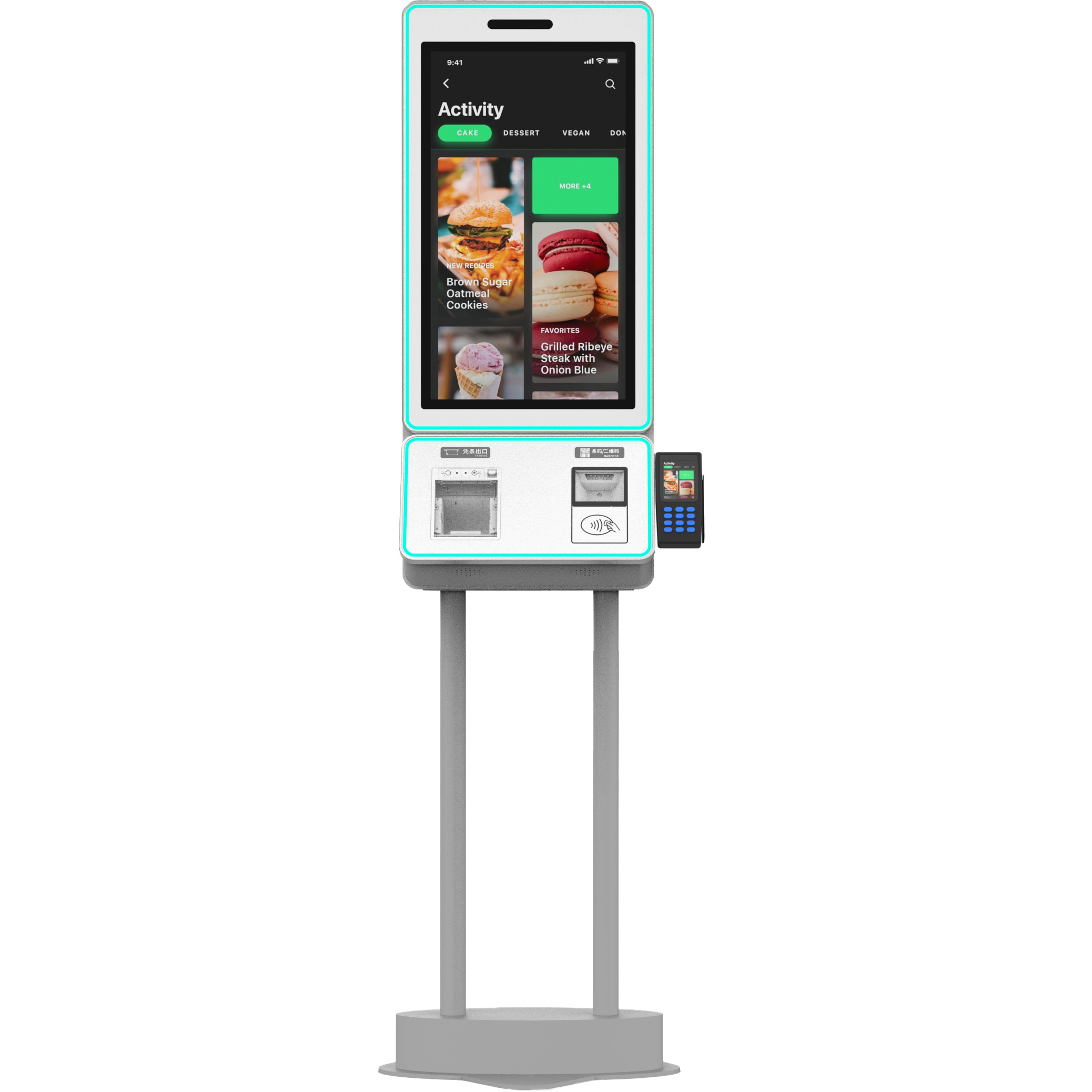
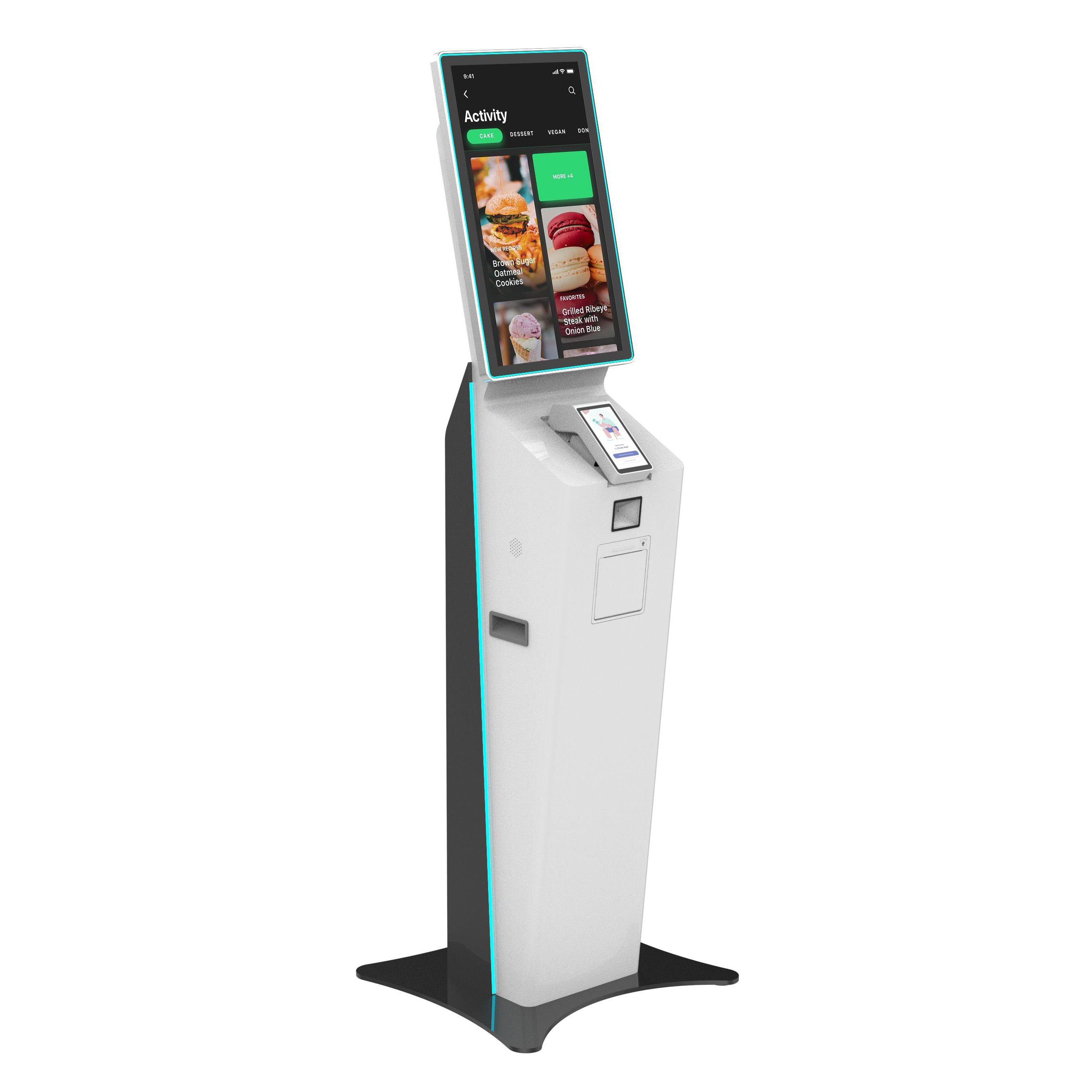
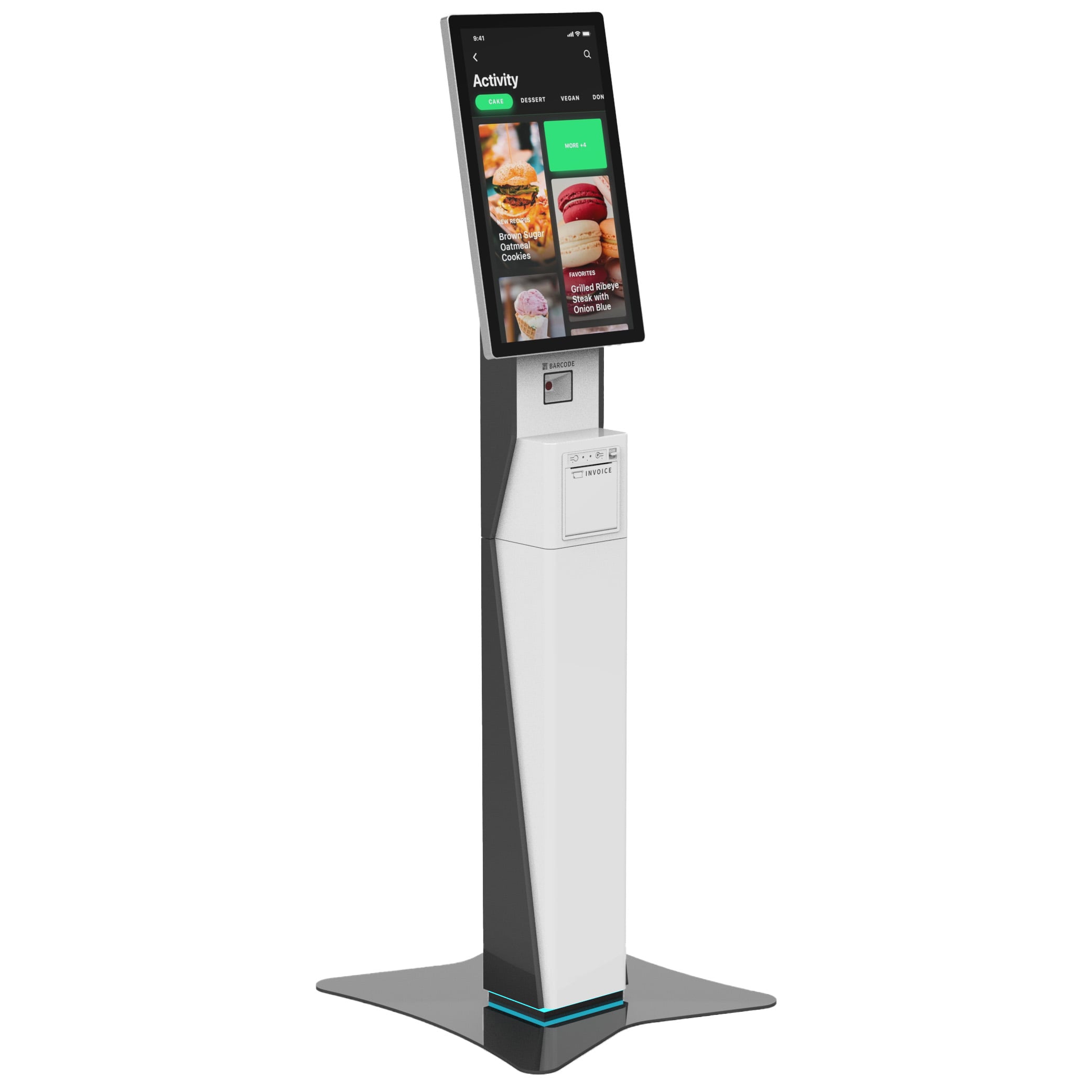
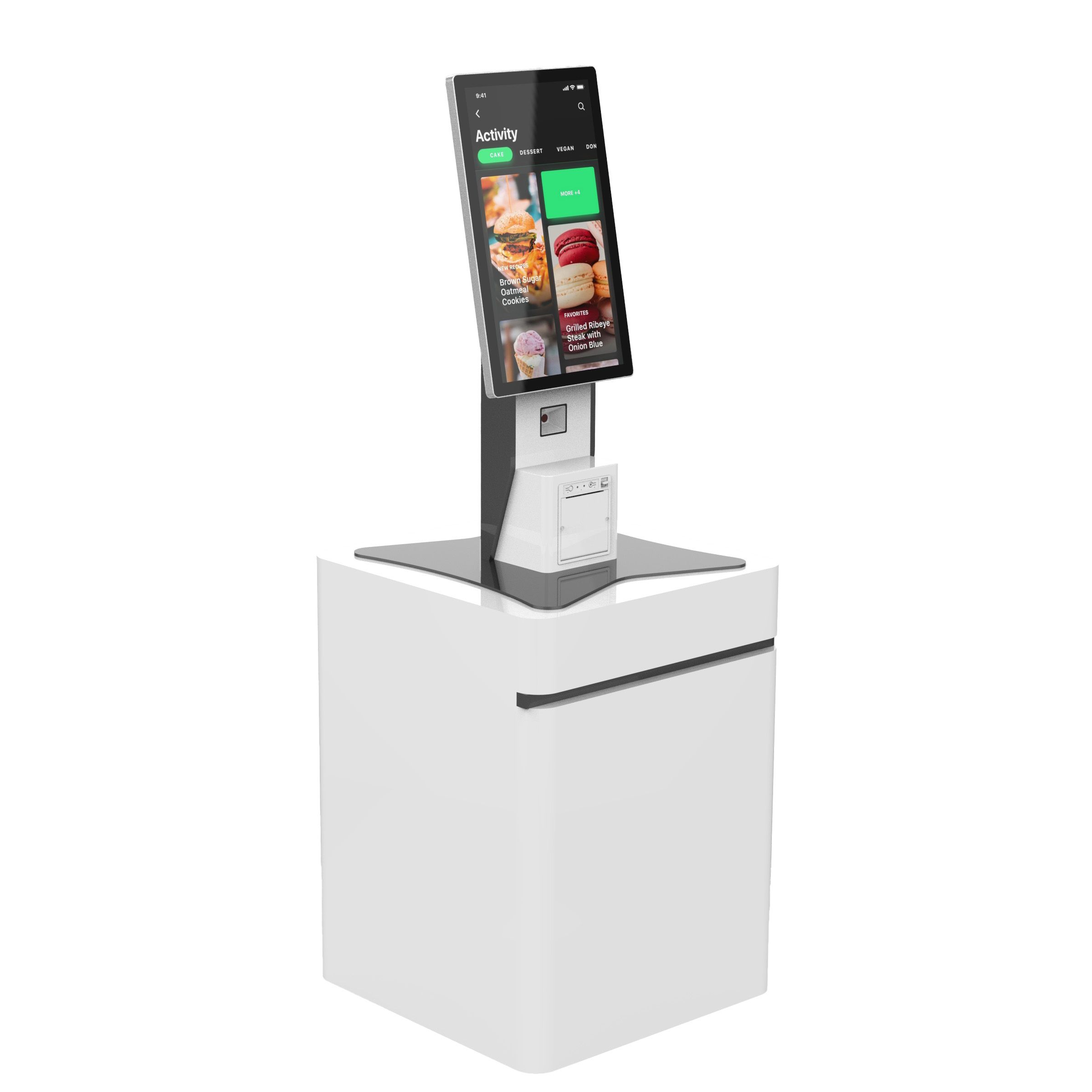
Multi-functional Service Handling Terminal YHWT-L-ZW-2601

Selecting the Right Public Service Solution Partner

Choosing the right partner for your public service solution implementation is a strategic decision impacting long-term operational efficiency, citizen trust, and regulatory adherence. Government agencies must prioritize vendors demonstrating deep expertise in public sector requirements and a proven ability to deliver secure, scalable platforms. Key evaluation criteria include:

  • Compliance & Security: Partners must possess certifications such as FedRAMP and align with NIST frameworks to ensure robust data protection and audit readiness.
  • Public Sector Experience: Select vendors with documented success delivering solutions in government environments, where workflows, stakeholder coordination, and compliance rigor differ significantly from commercial use cases.
  • Interoperability Focus: Solutions must integrate seamlessly with existing legacy systems and other government applications—avoiding proprietary lock-in and preserving agency investment in current infrastructure.
  • Long-Term Viability: Assess the partner’s financial stability, roadmap alignment with agency goals, and commitment to ongoing support, maintenance, and feature evolution.
  • Citizen-Centric Approach: Vendors should embed accessibility standards (e.g., WCAG 2.1) and human-centered design practices into their core development process—not as add-ons—to ensure equitable, intuitive service delivery.

A thorough selection process—grounded in stakeholder input, use-case validation, and rigorous technical evaluation—ensures the chosen partner becomes a true collaborator in achieving mission success.

FAQs

What are public service solutions?

Public service solutions are integrated systems designed to help government agencies deliver essential services efficiently and equitably using digital platforms, data management tools, and citizen-facing systems.

Why are citizen-centric designs important in public service solutions?

Citizen-centric designs improve user engagement, make services more accessible to diverse populations, and reduce frustration by simplifying processes like application submissions or benefit enrollments.

How do public service solutions improve data security and compliance?

These solutions employ robust protocols like AES-256 encryption, role-based permissions, and automated compliance checks to secure sensitive data while adhering to regulations such as HIPAA or FISMA.

What factors should agencies consider when selecting a public service solution partner?

Key considerations include the partner’s compliance certifications, experience in the public sector, interoperability capabilities, long-term viability, and commitment to citizen-centric development.