 EN
EN


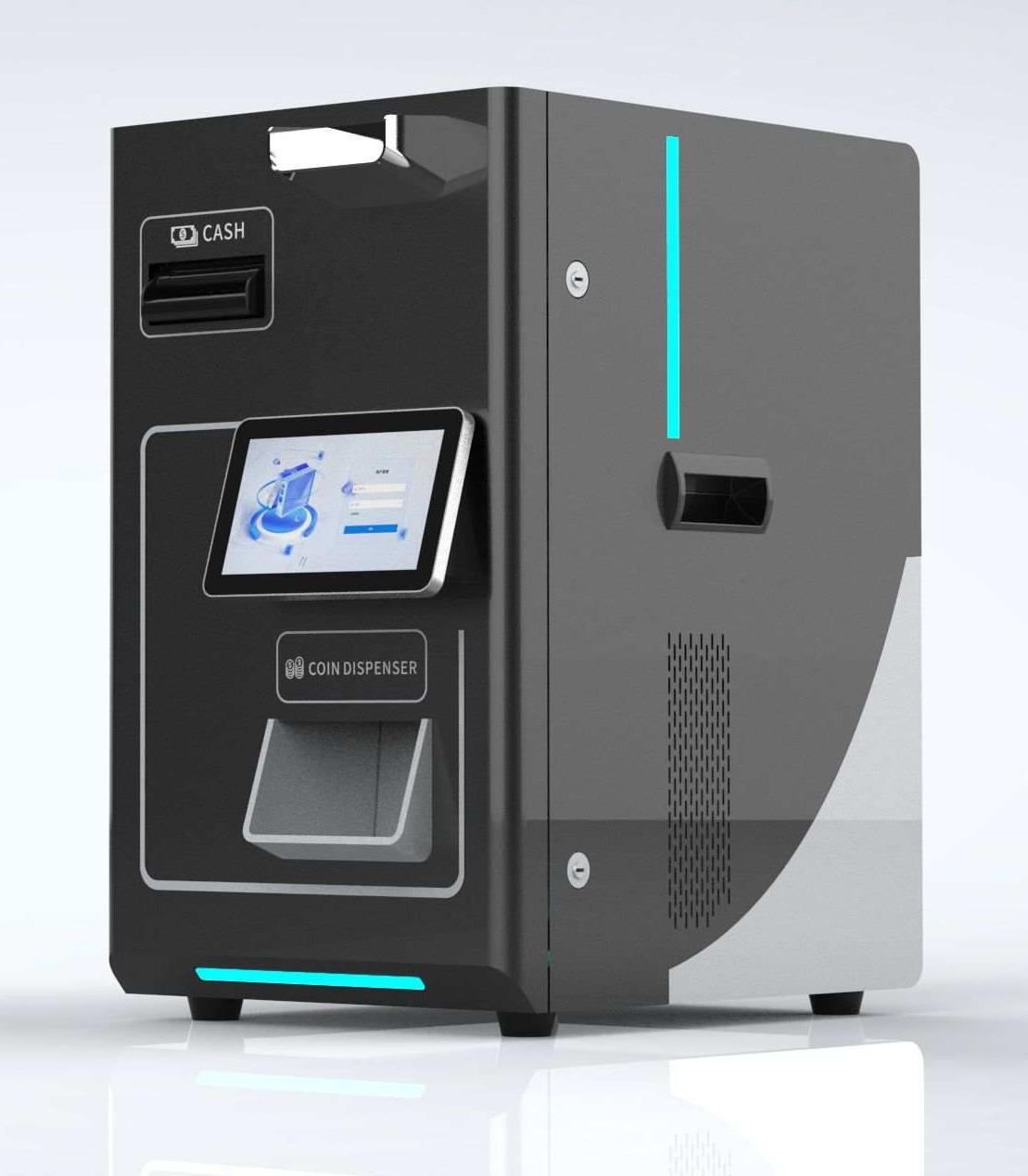
The Future of Public Engagement: Technical Foundations of Modern Self-Service Kiosks
In the fast-paced environment of modern public life, the physical interface between institutions and the public is undergoing a fundamental transformation. What was once handled through manual service points is now being managed by intelligent, self-service kiosk platforms. For organizations navigating high-volume transit areas, hospitality hubs, and professional facilities, the deployment of self-service technology is no longer just a superficial update—it is a critical operational strategy for managing flow, accuracy, and user interaction. Drawing from extensive technical involvement in the design and deployment of interactive hardware for international markets, it is evident that the transition to professional-grade self-service kiosks represents a major advancement in public infrastructure, turning interaction points into highly stable, data-responsive assets.
Engineering Integrity and Environmental Resilience
At the heart of a professional-grade self-service kiosk lies a sophisticated hierarchy of ruggedized engineering and material science. Unlike consumer-grade retail tablets, industrial-grade kiosks are designed to thrive in environments that challenge hardware at every level. From an engineering perspective, the structural stability of these units is dependent on high-tensile, powder-coated steel chassis that protect against physical impact, liquid ingress, and temperature extremes. High-quality kiosk frameworks are engineered to house sensitive computing components within shock-mounted, climate-regulated internal environments. When selecting infrastructure for public deployments, engineers prioritize systems that integrate secure, modular access panels for electrical components, as this reduces the technical complexity of retrofitting or upgrading systems over their operational lifespan—a critical factor for long-term reliability in high-traffic settings.
Synergy in Interface Responsiveness and Cognitive Design
A professional self-service interface is defined by its ability to manage user intent with absolute precision. Modern kiosks have evolved to integrate high-sensitivity, industrial-grade touch panels that maintain tactile responsiveness even through protective glass or in varied ambient-light environments. By utilizing sophisticated software stacks that prioritize low-latency interactions, professional kiosks act as fluid facilitators of information, ensuring that users can navigate through registration, transactional processes, or wayfinding without the friction often associated with standard web-based units. Furthermore, the modular nature of these interfaces allows for the integration of peripheral hardware such as secure scanners, encrypted card readers, and thermal printers. This synergy ensures that the physical operation of the kiosk remains optimized for intuitive, error-free use, regardless of the user's prior exposure to digital automation. This focus on seamless hardware-software integration is a hallmark of top-tier professional design.
Data Transparency and Operational Resilience
The shift toward smarter city infrastructure has prompted a critical re-evaluation of how public technology is managed. Traditional manual service models are often characterized by high overhead and localized errors that are difficult to track. Professional kiosk solutions offer a transparent, data-driven departure from this cycle. By focusing on systems that incorporate real-time health monitoring, organizations can track hardware status, peripheral availability, and interaction metrics from a central command dashboard. The economic argument for this approach is compelling: self-service systems are treated as persistent data nodes rather than depreciating physical furniture. This ensures that the initial capital investment provides continuous value, as managers can preemptively address maintenance needs before they impact the user experience, thereby maximizing the uptime and reliability of the service infrastructure.
Strategic Sourcing and Industrial Manufacturing Excellence
KioskSol represents a benchmark in the engineering and supply of high-grade self-service solutions, providing the essential infrastructure for modern public environments. By integrating advanced production technology with a deep understanding of international engineering standards, the enterprise delivers reliable solutions for global distributors and institutional project developers. The manufacturing capacity of KioskSol is defined by rigorous quality control processes that oversee every phase of the product lifecycle, from initial component formulation to final stress-testing in real-world scenarios. This professional dedication ensures that every installation meets global safety and durability benchmarks. For businesses seeking a partner that understands the technical nuances of the global supply chain, KioskSol offers the engineering precision and technical transparency necessary to execute large-scale kiosk projects successfully, solidifying its reputation as a leader in the self-service technology manufacturing sector.