 EN
EN


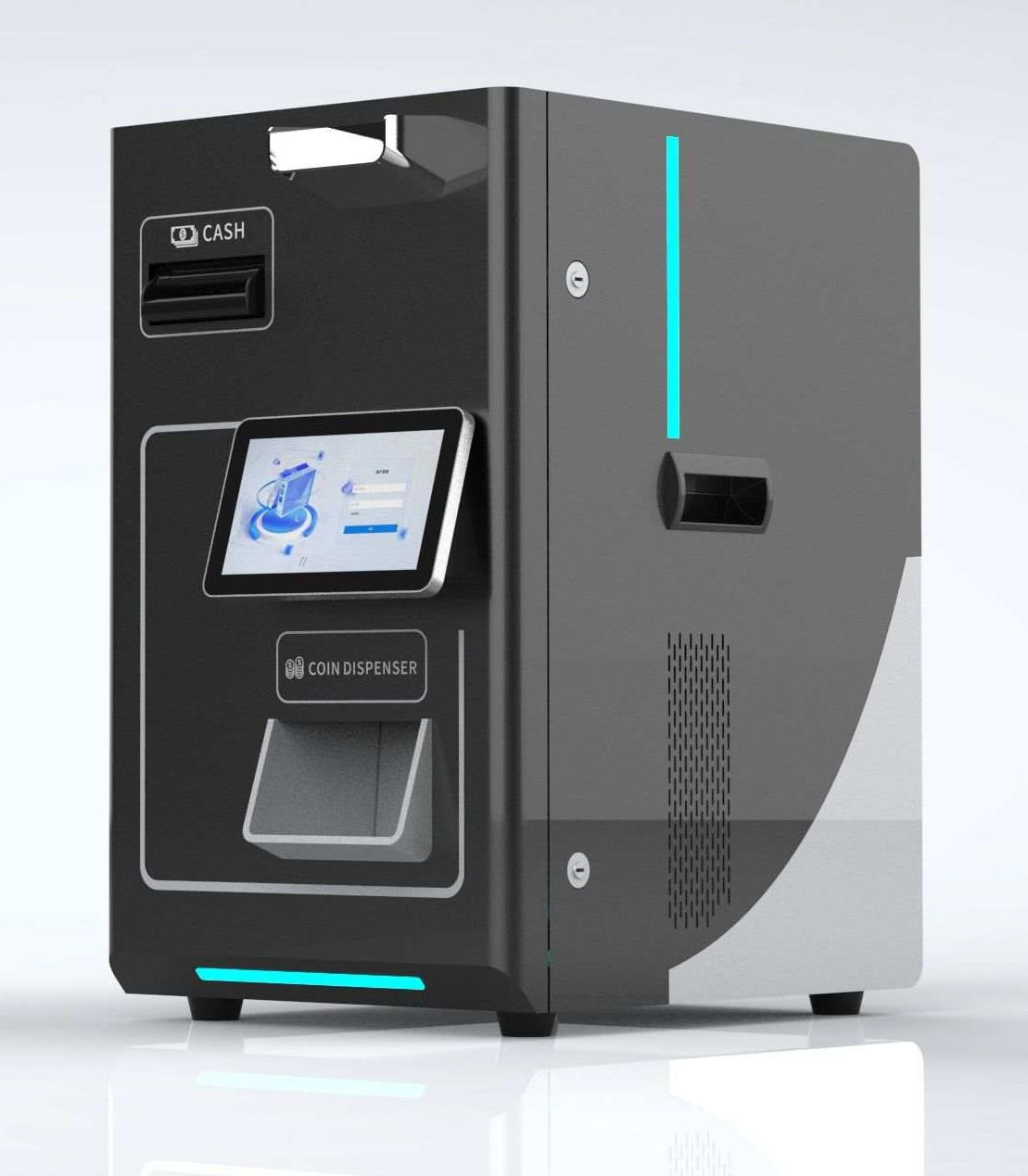
Core Technical Reliability and Performance of Tellers Cash Recyclers
Counterfeit Detection, Damaged Bill Handling, and Self-Audit Automation
Modern teller cash recyclers use multi-spectrum sensors (UV, IR, MG) to detect counterfeits with 99.7% accuracy—significantly reducing reliance on manual verification. Advanced models process folded, creased, or torn notes via intelligent image-based recognition and automated rerouting, cutting cash-handling errors by 63%. Self-audit functionality reconciles vault contents against transaction logs every 15 minutes, slashing end-of-shift reconciliation time by 85%. This real-time oversight prevents an estimated $740k in annual losses per branch from counterfeit incidents (Auriemma Group, 2024).
OS Compatibility, Remote Diagnostics, and AI-Enhanced Surveillance Integration
Seamless compatibility with core banking systems—including Windows and Linux environments—eliminates latency between teller stations and backend servers. Units equipped with remote diagnostics proactively identify 92% of potential failures before they cause disruption, shortening mean-time-to-repair by 68%. When integrated with AI-powered surveillance, recyclers correlate cash movements with synchronized CCTV feeds to flag anomalies—such as repeated drawer openings without corresponding transactions—reducing internal fraud risk by 41%.
RSM vs. Cassette-Based Architecture: Uptime Impact and Maintenance Efficiency
Recycling Storage Module (RSM) recyclers consolidate bills into a single secure vault, enabling hot-swappable replenishment without interrupting operations. This design delivers 99.95% uptime—versus 97.1% for cassette-based units that require full shutdown during cassette changes. RSM architecture also reduces maintenance duration by 76%, thanks to modular component access and 37% fewer mechanical parts. In contrast, cassette-based models incur 24% higher annual service costs due to frequent physical handling and greater wear.
Key operational impacts by architecture:
| Feature | RSM-Based Recyclers | Cassette-Based Recyclers |
|---|---|---|
| Annual Uptime | 99.95% | 97.1% |
| Replenishment Time | 45 seconds (hot-swap) | 8–12 minutes |
| Service Cost | $2.1k/year | $2.8k/year |
| Component Failure Rate | 0.8 incidents/unit | 1.7 incidents/unit |
Security, Accuracy, and Fraud Prevention Capabilities
Multi-Layer Authentication and Real-Time Cash Reconciliation
Biometric scanners and role-based access controls ensure only authorized personnel initiate cash movements. Each transaction triggers simultaneous user authentication and real-time bill-level reconciliation—creating an immutable digital audit trail. This dual-layer approach reduces internal theft risk by 63% (Ponemon Institute, 2023), while automatic discrepancy alerts enable immediate resolution, strengthening regulatory compliance and minimizing operational loss.
Error Reduction Benchmarks: Miscount Rates and Escalation Prevention
Top-tier recyclers achieve miscount rates below 0.01% using sensor fusion and machine learning algorithms that cross-validate denominations via magnetic, ultraviolet, and high-resolution imaging—far surpassing the 0.5% error rate typical of fatigued manual counting. This precision eliminates 92% of escalations requiring managerial intervention and reduces customer wait times by 40%, directly boosting teller productivity and branch efficiency.
Operational Fit for Your Branch Network
Teller Pod, Drive-Up, and Shared-Unit Deployment Scenarios
Branch layout dictates optimal recycler configuration. In open-plan teller pods, compact units with quick-access drawers maximize workflow efficiency while minimizing footprint—supporting seamless customer engagement. Drive-up stations demand ruggedized, high-throughput units capable of withstanding environmental stressors and integrating with pneumatic tube systems. For shared-unit deployments across multiple tellers, prioritize devices with robust transaction queuing and multi-user authentication to prevent bottlenecks during peak hours. Always verify physical dimensions and connectivity protocols to ensure compatibility with existing infrastructure—this alignment reduces training overhead by 30% while improving accuracy and throughput.
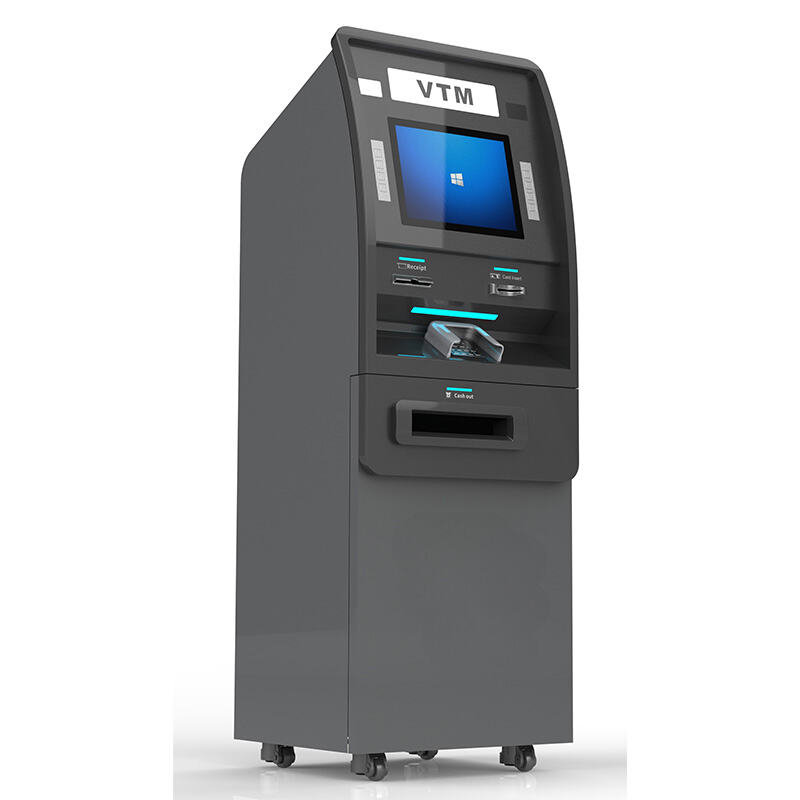
Vendor Evaluation: Support, Scalability, and Long-Term Partnership Value
Selecting a teller cash recycler requires evaluating vendor capability beyond hardware specs. Assess scalability rigorously: can the provider support rising transaction volumes and new branch integrations without performance degradation? Demand documented SLAs for implementation timelines, system uptime guarantees, and certified technician response windows—delays cost financial institutions an average of $740k per hour of downtime (Ponemon Institute, 2023). Prioritize vendors offering same-day hardware replacement, modular upgrade paths, and transparent total cost of ownership analysis—including warranty terms and R&D investment in future-proof features. Pilot testing remains essential to validate real-world performance, compliance adherence, and operational fit before enterprise-wide rollout.
Frequently Asked Questions
What are the benefits of multi-spectrum counterfeit detection in cash recyclers?
Multi-spectrum sensors (UV, IR, MG) in cash recyclers detect counterfeits with 99.7% accuracy, drastically reducing manual verification efforts and potential losses due to counterfeit currency.
How does the RSM architecture improve uptime compared to cassette-based models?
The RSM architecture enables hot-swappable replenishment and consolidates bills into a single secure vault, providing 99.95% uptime compared to the 97.1% uptime of cassette-based models that require full shutdowns during replenishment.
What security features reduce internal theft risks in cash recyclers?
Biometric scanners, role-based access controls, and real-time cash reconciliation provide dual-layer security measures that reduce internal theft risks by 63%.
Can cash recyclers optimize teller productivity?
Yes, cash recyclers significantly reduce miscount errors and escalations by using sensor fusion and machine learning, cutting customer wait times by 40% and improving teller productivity.
What factors should I consider when deploying cash recyclers for my branch network?
Consider branch layout, compatibility with existing infrastructure, transaction volumes, security needs, and vendor scalability to optimize deployment for teller pods, drive-up stations, or shared-unit setups.
Table of Contents
- Core Technical Reliability and Performance of Tellers Cash Recyclers
- Security, Accuracy, and Fraud Prevention Capabilities
- Operational Fit for Your Branch Network
- Vendor Evaluation: Support, Scalability, and Long-Term Partnership Value
-
Frequently Asked Questions
- What are the benefits of multi-spectrum counterfeit detection in cash recyclers?
- How does the RSM architecture improve uptime compared to cassette-based models?
- What security features reduce internal theft risks in cash recyclers?
- Can cash recyclers optimize teller productivity?
- What factors should I consider when deploying cash recyclers for my branch network?