 EN
EN


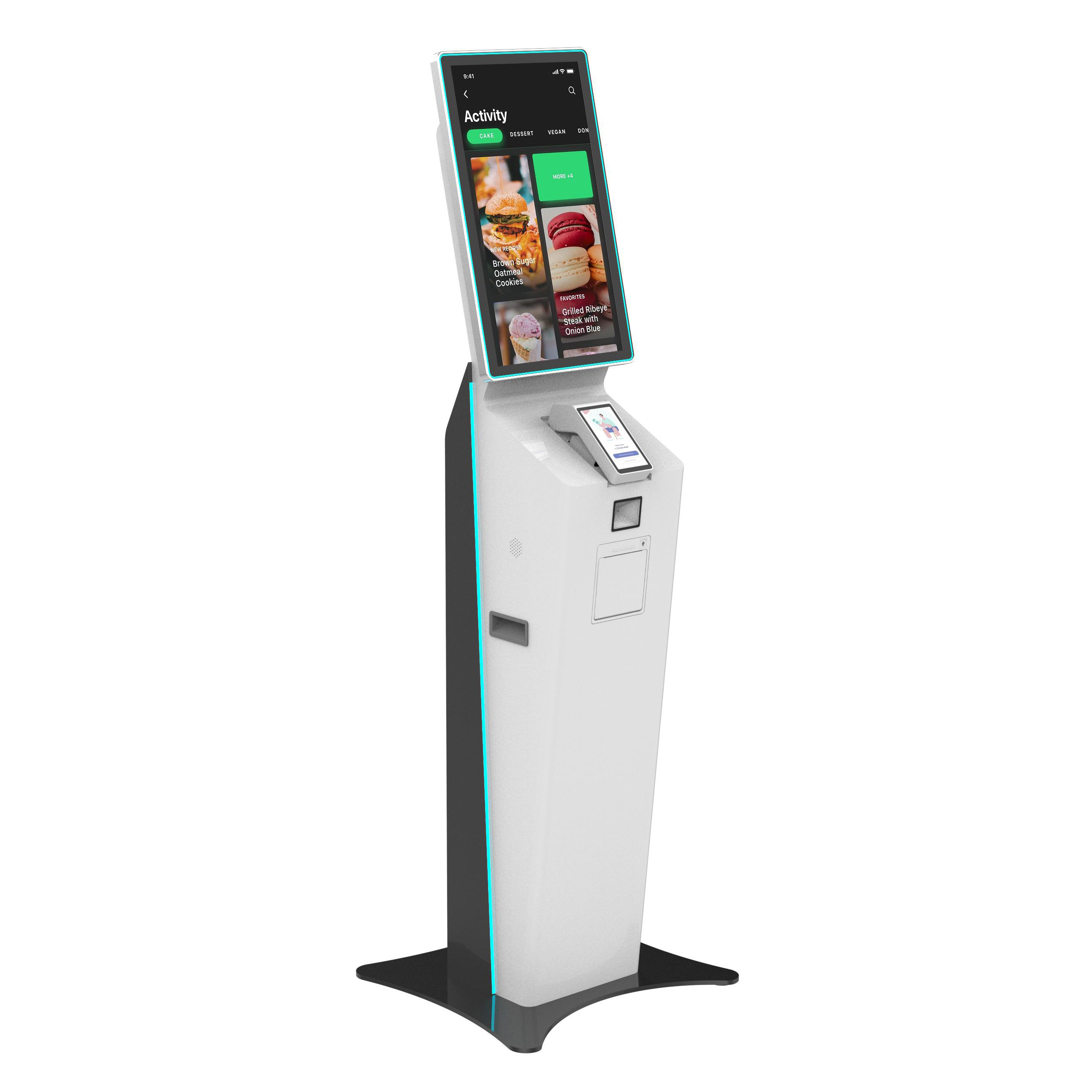
Streamlining Citizen Access to Administrative Services
24/7 Self-Service Access to Forms, Legal Notices, and Public Information
Government kiosks transform how citizens interact with agencies by offering uninterrupted access to essential resources. These terminals provide instant retrieval of tax forms, zoning notices, voting information, and public records—without requiring staff assistance. Rural residents and working professionals benefit most from 24/7 availability, which eliminates travel barriers and scheduling conflicts. In pilot communities, kiosks deployed in public libraries and transit hubs reduced in-person office visits by 40%, according to a 2025 study. Users navigate intuitive touchscreens to download documents, request permits, or check application statuses—while real-time access to updated legal bulletins and emergency alerts strengthens civic awareness.
Real-Time Form Validation and Multilingual Support for Inclusive Service Delivery
Intelligent validation systems prevent application errors by instantly flagging incomplete fields or mismatched data during submissions—reducing processing delays by 72% compared to manual reviews, per municipal efficiency reports. Language accessibility features support over 12 languages through voice-guided menus and translated documents, meeting ADA requirements and expanding inclusion. In border regions, Spanish-language interfaces account for 20% of interactions. Step-by-step guidance for complex procedures—such as business registrations or benefits enrollment—ensures traditionally underserved populations receive equitable service quality, regardless of digital literacy.
Enabling Secure Digital Identity and Document Processing
Government kiosks strengthen identity verification and document handling through integrated security protocols. By combining national eID systems with biometric authentication—like fingerprints or facial recognition—these terminals establish trusted identities before processing sensitive transactions. This layered approach mitigates identity fraud risks, a critical concern given that data breaches cost organizations an average of $740,000 (Ponemon Institute, 2023). Citizens benefit from “verify once, use across services” functionality, eliminating redundant paperwork and repeated identity checks.
eID and Biometric Verification for Trusted Transactions
Biometric authentication ensures only authorized individuals access sensitive services like tax filings or benefit claims. When users scan their fingerprints or faces, the system cross-references national databases in real time, instantly flagging mismatches. This prevents impersonation attempts, which represent 34% of public sector fraud cases. Unlike passwords, biometrics cannot be forgotten, shared, or stolen—making them especially effective for elderly users and those excluded from conventional digital channels.
Scanning, Digitizing, and Submitting Applications (e.g., ID Cards, Housing Registrations)
Kiosks allow citizens to scan physical documents—including driver’s licenses, lease agreements, and birth certificates—and convert them into encrypted digital files. Optical character recognition (OCR) auto-populates application fields, reducing manual entry errors by 72%. For housing registrations, users upload proof of residence via high-resolution scanners and receive immediate validation of document completeness. This eliminates postal delays and in-person queues while preserving chain-of-custody integrity through end-to-end encryption.
Facilitating On-Site Payment of Bills, Fines, and Fees
Modern government kiosks enable citizens to settle financial obligations—including property taxes, utility bills, parking citations, and court fines—without queuing at service counters. Certified payment processing systems accept major credit/debit cards and mobile wallets, completing transactions in under 90 seconds and generating digital receipts instantly. The 24/7 availability particularly benefits shift workers and rural residents, with studies showing 68% faster processing than traditional methods (Local Government Efficiency Report, 2023). By removing manual handling, agencies reduce administrative costs by up to $740,000 annually while ensuring compliance through encrypted transaction logging—a win for both fiscal responsibility and citizen satisfaction.

Integrating Permit, License, and Courthouse Services
Marriage Licenses, Notary Oaths, Fine Settlements, and Document Printing
Government kiosks simplify complex administrative processes into secure, self-service experiences. Citizens can apply for marriage licenses by entering personal details and uploading required documents—receiving immediate digital confirmation and cutting processing times by up to 50% versus paper-based workflows. Integrated eID verification and biometric authentication support secure remote notary oaths, with legally valid digital signature capture replacing physical paperwork. Traffic penalties and court fees are settled instantly via embedded payment gateways, with automatic receipt generation. Kiosks also function as on-demand document hubs—printing certified forms, permits, or license copies in seconds. Real-time validation and multilingual interfaces ensure accuracy and accessibility, helping agencies cut counter wait times by 35% and redeploy staff toward higher-value, human-centered services.