 EN
EN


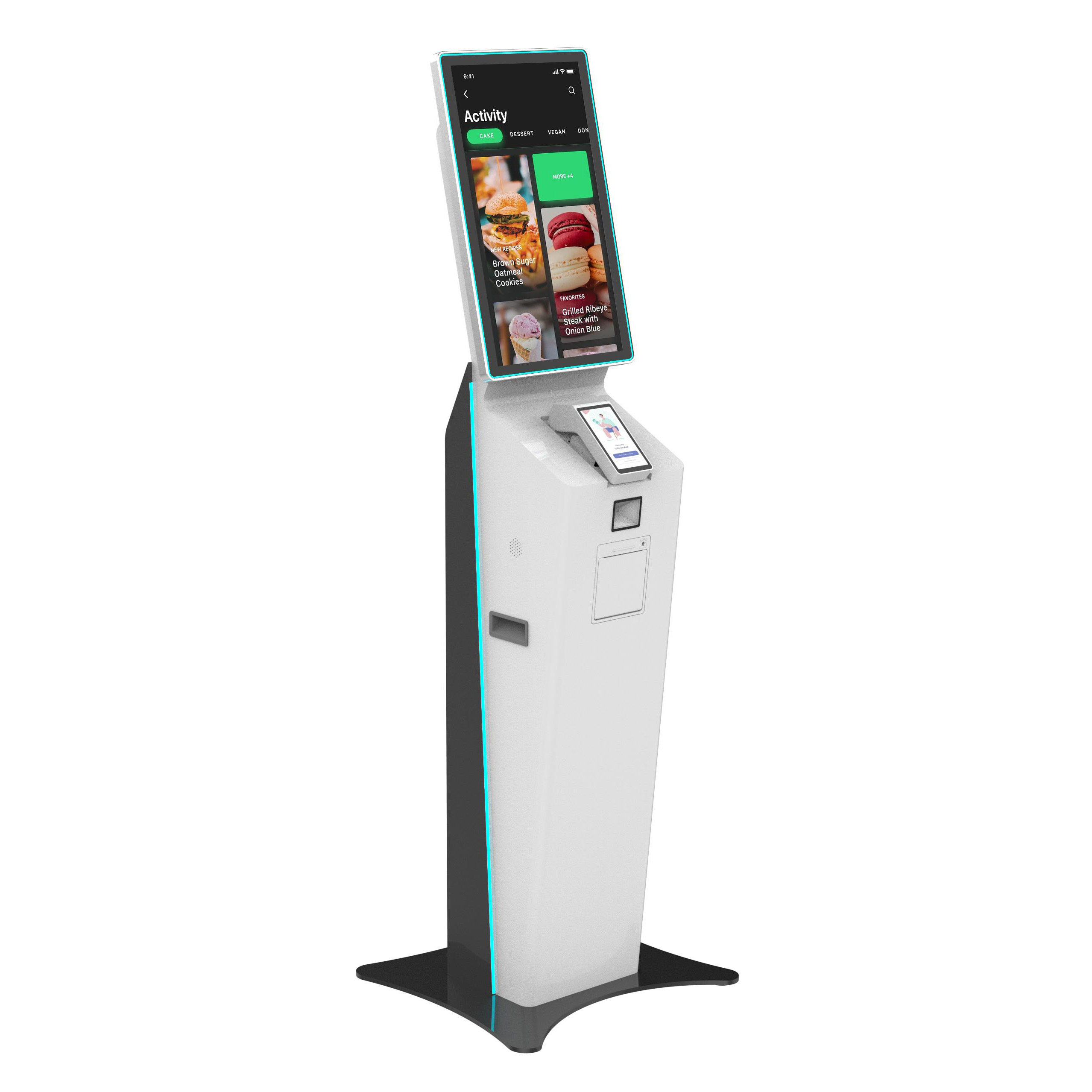
Operational Efficiency Gains Through Self Kiosks
Reduction of Human Error and Improved Data Accuracy
Self kiosks eliminate manual data entry mistakes by enabling customers to input information directly—reducing errors in order details, payment processing, and check-in accuracy. Industry findings show businesses using these systems experience up to 45% fewer transactional errors, yielding more reliable sales data and inventory records. With precise information captured at the source, companies gain accurate insights for demand forecasting and resource planning—strengthening compliance and auditing processes across service environments.
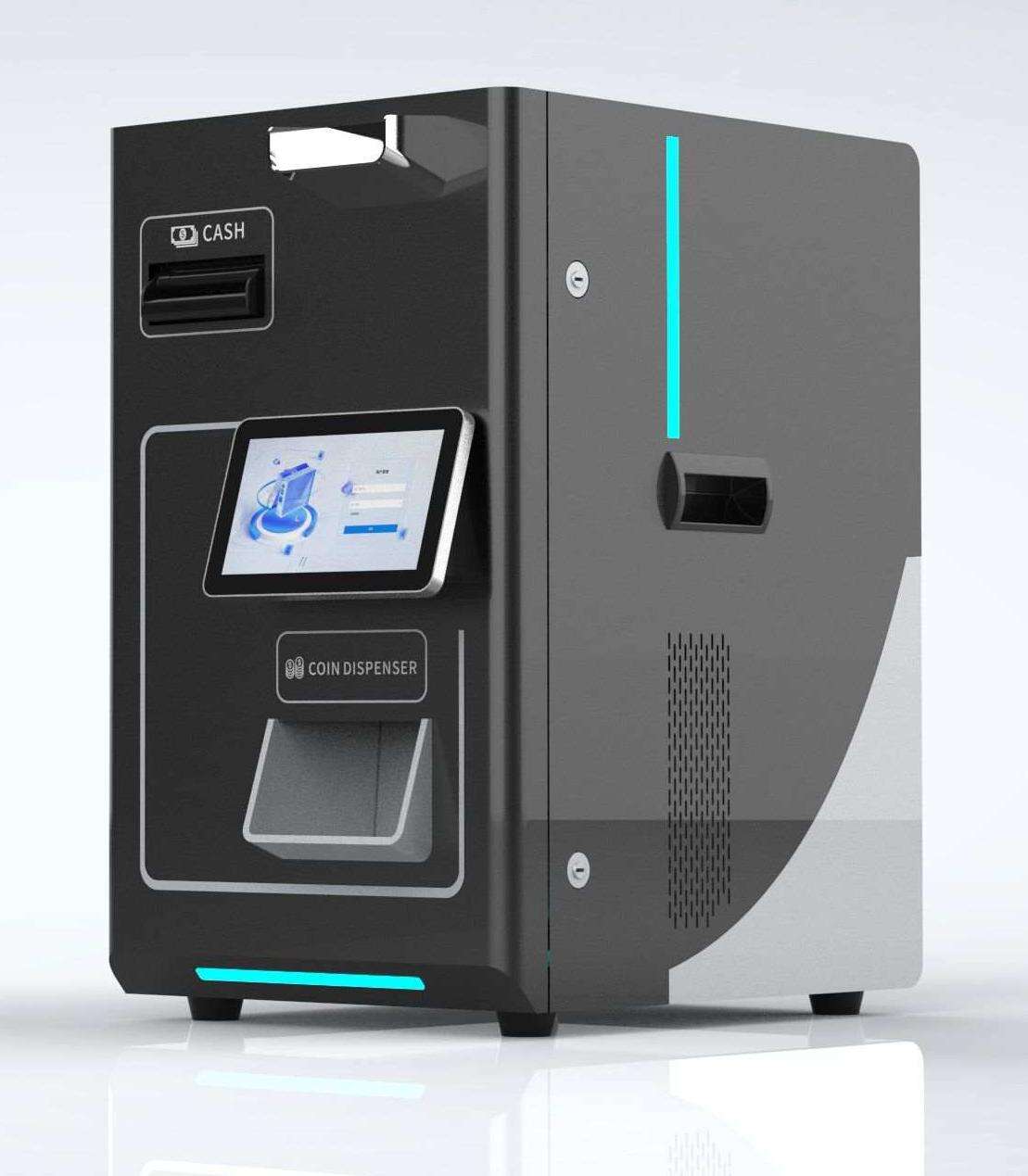
Scaling Service Capacity Without Adding Staff
Self kiosks function as autonomous service points, enabling concurrent transaction processing without requiring additional staff. During peak hours, this parallel processing cuts average wait times by 30% while serving 3–5× more customers per hour than manual counters. Rather than hiring temporary staff to manage surges, teams oversee distributed kiosk networks—maintaining consistent service quality during demand fluctuations without inflating payroll.
Labor Cost Optimization and Strategic Staff Reallocation
By automating routine transactions, self kiosks reduce front-line staffing needs by 20–35% in the hospitality sector. This delivers permanent labor savings while freeing employees for higher-value roles—shifting staff from repetitive tasks like order-taking to personalized assistance, upselling, or operational troubleshooting. A strategic reallocation model might look like:
| Staff Role Before | Optimized Role After |
|---|---|
| Cashier | Guest Experience Ambassador |
| Order Taker | Complex Order Specialist |
| Check-in Agent | Service Recovery Coordinator |
This transition lowers operational costs by 18–25% annually while improving employee satisfaction through more engaging responsibilities. Businesses reinvest savings into training programs that enhance service quality and retention.
Enhanced Customer Experience with Self Kiosks
Faster Transactions and Reduced Wait Times
Self kiosks optimize service flow by enabling parallel processing—multiple customers complete transactions simultaneously instead of waiting in single queues. This cuts average wait times by 35–40%, significantly reducing abandonment rates. Customers finish purchases or check-ins in under 90 seconds—versus traditional methods’ 4–5 minute averages. The direct input interface also eliminates miscommunication errors common in verbal ordering, improving accuracy by 28% in food service environments.
Greater Autonomy, Flexibility, and Personalization
These systems empower users with control over their journey—customers browse options at their own pace, modify orders visually, and access tailored recommendations through integrated preference tracking. Restaurant kiosks demonstrate how customization drives satisfaction: 73% of diners prefer self-service for complex orders (QSR industry data, 2024). The technology adapts in real time, displaying context-aware promotions—like loyalty rewards or complementary add-ons—based on selected items, creating frictionless upselling that honors individual choice.
Revenue Growth and Strategic Insights Enabled by Self Kiosks
Targeted Upselling and Add-On Opportunities at the Self Kiosk
Self kiosks transform transactional moments into revenue opportunities by intelligently suggesting premium options during checkout. For example, a quick-service restaurant kiosk might highlight gourmet toppings when a customer orders a burger, while a retail self-checkout could recommend protective cases with electronics purchases. This automated upselling operates 24/7 without staff intervention, capitalizing on impulse-buy psychology when purchase intent is highest. Industry data shows such prompts increase average order values by 18–27% (Kiosk Industry, 2025), directly boosting profitability through precisely timed, personalized offers.
Actionable Analytics from Self Kiosk Usage and Behavior Data
Every interaction with self-service kiosks generates valuable behavioral intelligence—recording peak usage hours, popular menu items, and common customization patterns. Businesses leverage these insights to optimize inventory, adjust staffing, and refine marketing strategies. For instance, recurring abandoned transactions at specific steps can reveal interface pain points, while frequent pairing of products (like coffee with pastries) informs bundled promotions. This data-driven approach transforms operational visibility, enabling evidence-based decisions that reduce waste and align offerings with demonstrated customer preferences.
Contactless Service Delivery Across Key Service Industries
Contactless service has become essential across multiple sectors, driven by heightened hygiene expectations and efficiency demands. Self kiosks deliver touch-free interactions in hospitality through streamlined digital check-ins and keyless room entry; in restaurants, they support QR code menus and payment processing—cutting transaction times by up to 40%. Retail environments use them for autonomous checkout and product inquiries, while healthcare facilities implement them for contactless patient registration. This widespread adoption demonstrates how self kiosks meet critical needs for safety, speed, and customer autonomy—without compromising service quality.
FAQ Section
What industries commonly use self kiosks?
Self kiosks are widely used in hospitality, retail, restaurants, and healthcare for tasks such as autonomous check-ins, digital payments, and patient registration.
How do self kiosks improve operational efficiency?
Self kiosks reduce transactional errors, enable concurrent servicing during peak hours, and optimize labor costs by automating routine tasks.
Can self kiosks help businesses increase revenue?
Yes, self kiosks drive revenue through upselling, tailored promotions, and improved average order values while providing actionable insights for marketing and inventory optimization.
Do self kiosks enhance customer experience?
Self kiosks offer faster service, personalization, and greater autonomy, which lead to lower wait times and higher satisfaction levels.
What are the labor impacts of implementing self kiosks?
Self kiosks reduce staffing needs for routine transactions and enable staff to shift to higher-value roles, improving employee satisfaction while reducing costs.