 EN
EN


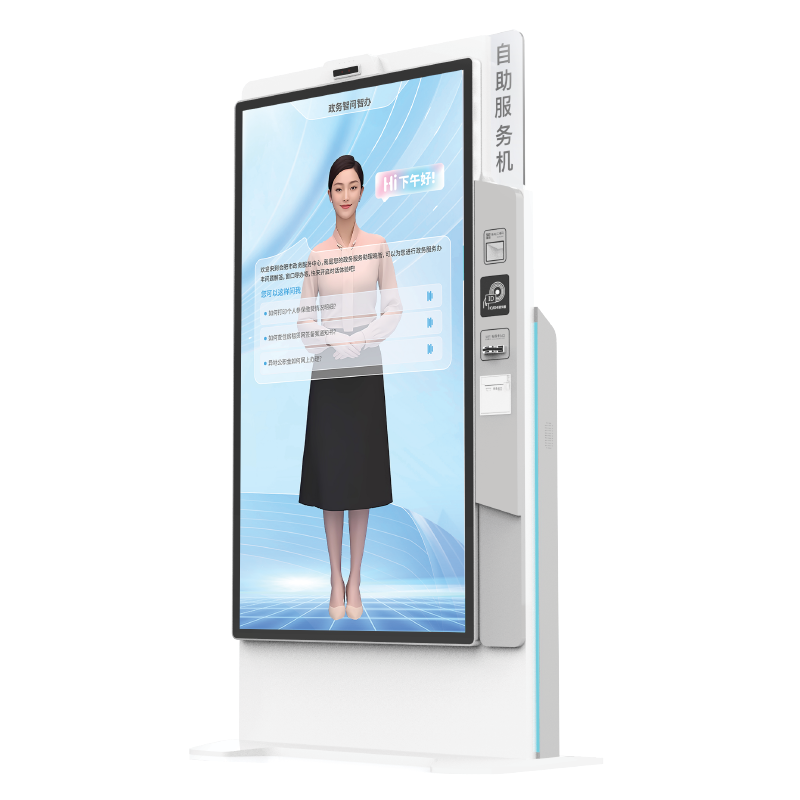
The landscape of public administration is shifting toward a "digital-first" but "physical-present" model. In this evolution, government kiosk development has moved beyond simple queue management to become sophisticated, secure, and AI-driven service hubs. These terminals are now essential for reducing administrative overhead and improving accessibility for citizens who may lack high-speed internet or digital literacy.()
At Kiosk Solutions, we track these shifts to ensure our hardware meets the rigorous demands of public sector deployment. Here is an expert analysis of the latest trends shaping the future of government kiosks.
1. Biometric Authentication for Enhanced Security
As identity theft and fraud become more sophisticated, traditional PINs and magnetic stripe cards are being replaced by biometric sensors.
-
Multimodal Biometrics: Modern kiosks are integrating fingerprint scanners, iris recognition, and facial recognition (FRT). This is particularly prevalent in border control (E-gates) and high-security government offices.()
-
Trustworthiness & Compliance: These sensors are now paired with liveness detection to prevent "spoofing."() For government agencies, this ensures that the person applying for a permit or accessing a social security record is exactly who they claim to be, meeting strict KYC (Know Your Customer) protocols.
2. AI-Powered Virtual Assistants and Natural Language Processing
The "Information Kiosk" is being reborn with Artificial Intelligence. Instead of navigating complex button menus, citizens can now "talk" to the kiosk.
-
Conversational AI: Using Natural Language Processing (NLP), a government kiosk can handle complex queries like, "How do I renew my driver's license if I lost my old one?" * Multilingual Support: AI allows for real-time translation into dozens of languages, ensuring that non-native speakers or tourists can access government services without needing a human translator present. This significantly increases the inclusivity of public services.
3. Remote Video Conferencing ("Virtual Clerk")
To optimize staffing, many agencies are moving toward a "Hub and Spoke" model. A central office of experts can service dozens of remote kiosk locations via high-definition video.
-
Real-Time Assistance: If a citizen gets stuck during a complex application process, they can hit a "Live Help" button. A government representative appears on the screen to provide guided assistance.
-
Expertise on Demand: This trend allows specialized departments (like legal aid or tax experts) to be "present" in rural or underserved areas without the cost of physical office space.
4. Hyper-Local Payment and Document Dispensing
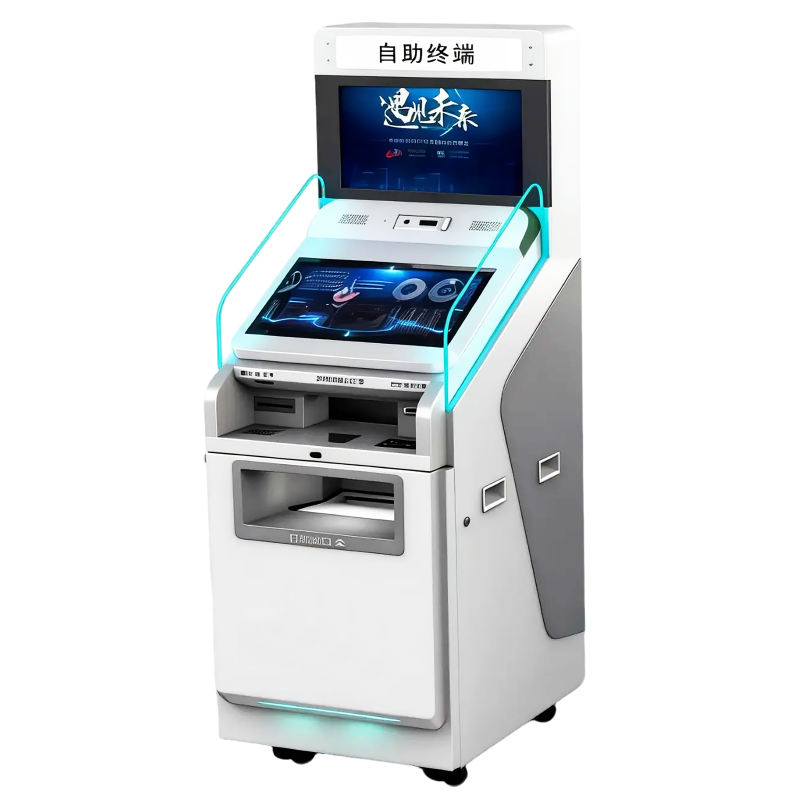
The latest generation of kiosks is becoming "miniature offices" capable of completing a transaction from start to finish, including the physical delivery of documents.
-
Secure Document Printing: Advanced kiosks now feature specialized printers for high-security documents, such as temporary IDs, parking permits, or certified vital records (birth/death certificates).
-
Cash and Digital Payments: To remain accessible to the "unbanked" population, many government kiosks are being equipped with secure cash-recycling modules alongside contactless EMV payment terminals.
5. IoT-Driven Remote Management and Cybersecurity
With kiosks often located in remote areas (libraries, post offices, community centers), the focus has shifted to "Uptime and Defense."
-
Predictive Maintenance: Using IoT sensors, a government kiosk can report its own health—detecting if a printer is low on paper, if a fan is failing, or if the internal temperature is rising before a breakdown occurs.
-
Edge Security: Modern units feature hardware-level encryption (TPM chips) and "Self-Healing" BIOS to protect against cyberattacks. If the kiosk detects a software breach, it can automatically roll back to a secure "Golden Image."
6. ADA 2.0 and Inclusive Design
Accessibility is no longer an afterthought; it is a core engineering requirement for any public sector project.
-
Tactile and Audio Guidance: Beyond screen-reading software, new kiosks feature tactile keypads with braille and "Audio Nav" ports for users with visual impairments.()
-
Motorized Height Adjustment: Some high-end kiosks now feature motorized stands that can lower the entire interface for wheelchair users, ensuring total compliance with the latest ADA (Americans with Disabilities Act) standards.
Final Verdict: The Kiosk as a Digital Bridge
The overarching trend in government kiosk development is the removal of friction. By combining AI, biometrics, and secure physical dispensing, these units act as a vital bridge between the government’s digital backend and the citizen’s physical reality.
Table of Contents
- 1. Biometric Authentication for Enhanced Security
- 2. AI-Powered Virtual Assistants and Natural Language Processing
- 3. Remote Video Conferencing ("Virtual Clerk")
- 4. Hyper-Local Payment and Document Dispensing
- 5. IoT-Driven Remote Management and Cybersecurity
- 6. ADA 2.0 and Inclusive Design
- Final Verdict: The Kiosk as a Digital Bridge